
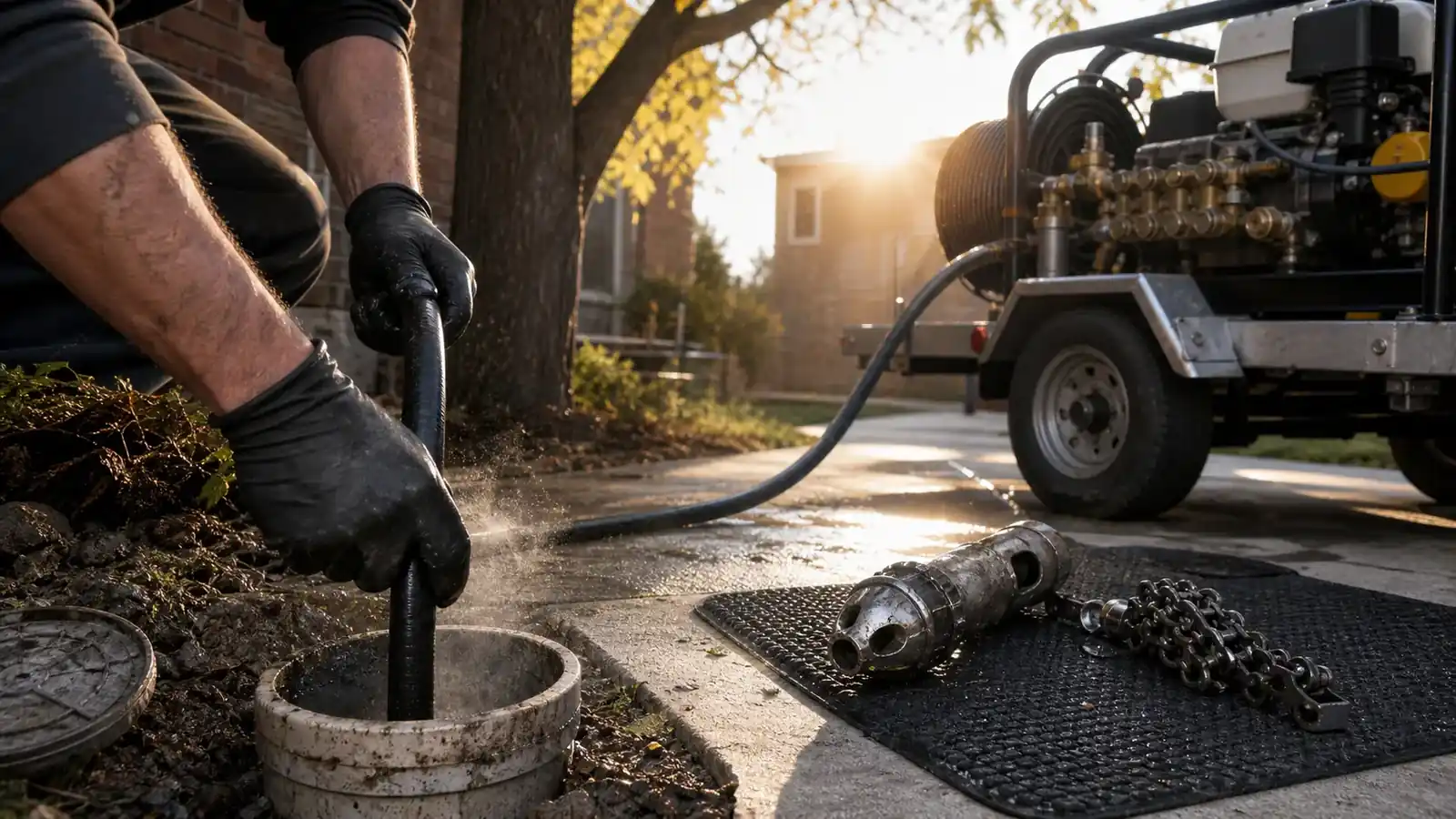
Hydro jetting in Denver, CO
- Grease & mineral scale
- Cast iron descaling
- Line assessed first
High-pressure water that scours the pipe wall clean instead of punching a channel through the blockage. Right for some lines, wrong for others.
Call (720) 794-0974Line re-blocking on a cycle? That pattern is the one jetting is for. Call and describe it.
Call (720) 794-0974What hydro jetting actually does
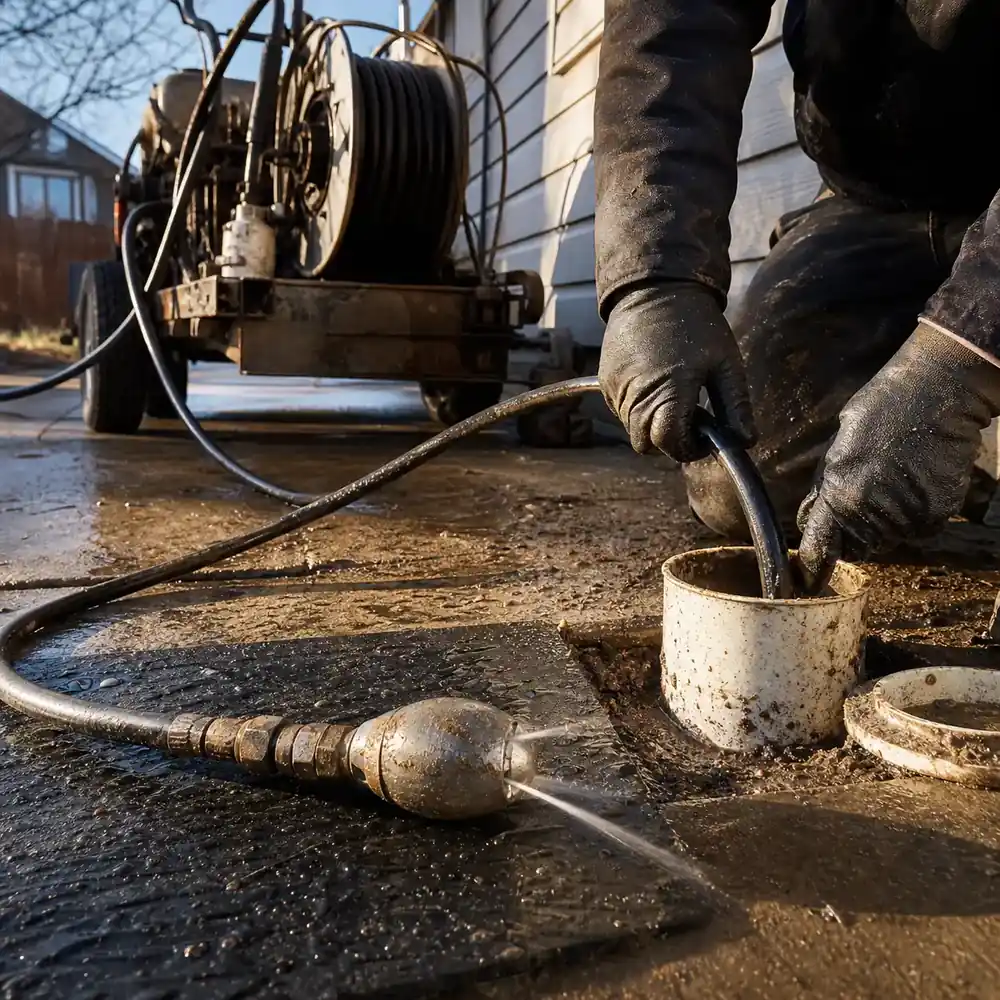
A jetter pushes water through a hose at high pressure, typically in the low thousands of psi for residential drain and sewer work, and out through a nozzle with jets angled backwards.
Those backward jets do two things at once. They drive the hose forward up the line under its own power, and they blast the pipe wall behind them as they travel. So the nozzle works its way to the far end and cleans on the way back.
That's the meaningful difference from a cable. A cable cuts a channel through whatever is blocking the pipe and water starts flowing again, but the coating that narrowed the pipe in the first place is still on the wall. Jetting takes the wall back toward the pipe's actual internal diameter.
Which is why the two methods suit different problems, and why "which one do I need" is a better question than "which one is better".
Hydro jetting at a glance
- What it's for
- Grease, mineral scale, sludge and soft buildup coating the pipe wall, including cast iron descaling
- What it's not for
- A single discrete object or root mass, where a cable does the same job for less
- Lines we jet
- Kitchen branch lines, laundry lines, main sewer laterals, commercial and restaurant grease lines
- Assessed first
- Line condition. Corroded cast iron, deformed Orangeburg and separated clay joints may not be candidates
- Usually paired with
- A camera run before, after, or both
How a jetting job runs
Jetting takes longer to set up than cabling and the setup is most of what you're paying for. Here's the sequence.
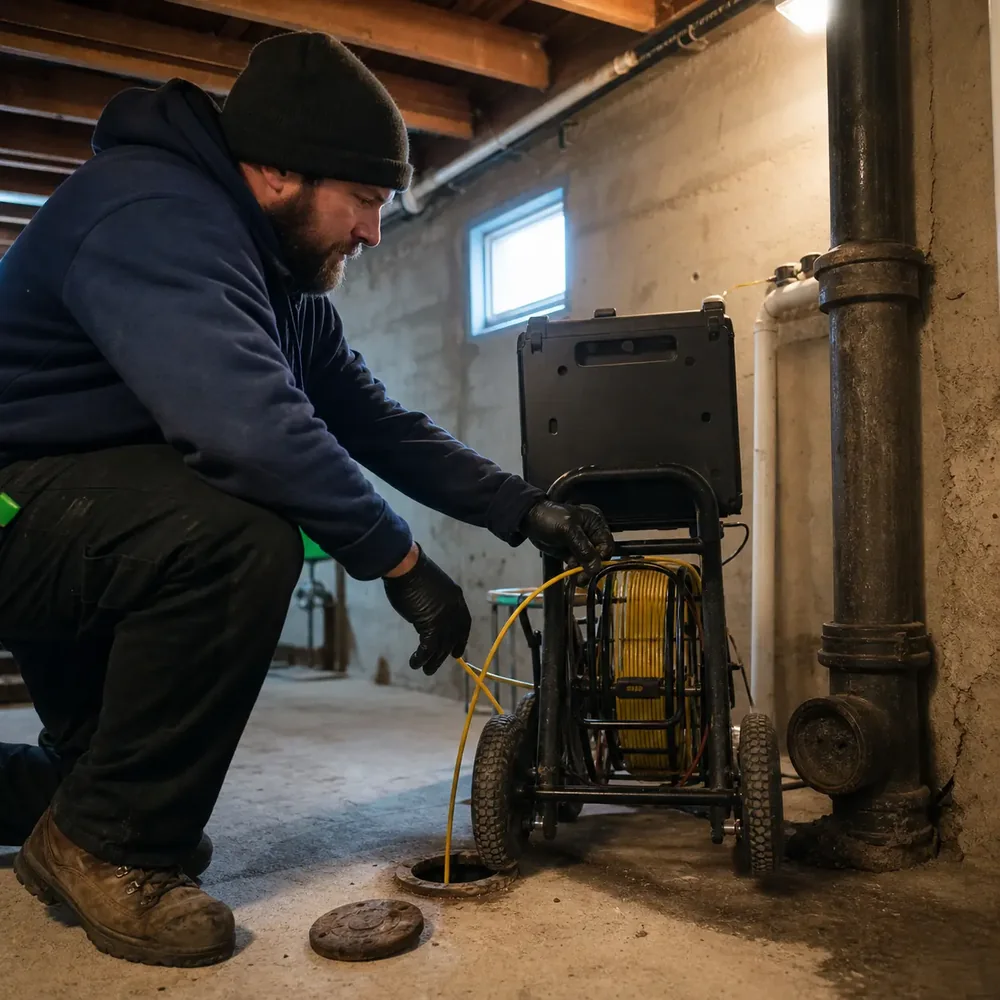
Assess the line
Pressure in a pipe of unknown condition is the real risk. A camera settles whether the wall can take it before anything else happens.
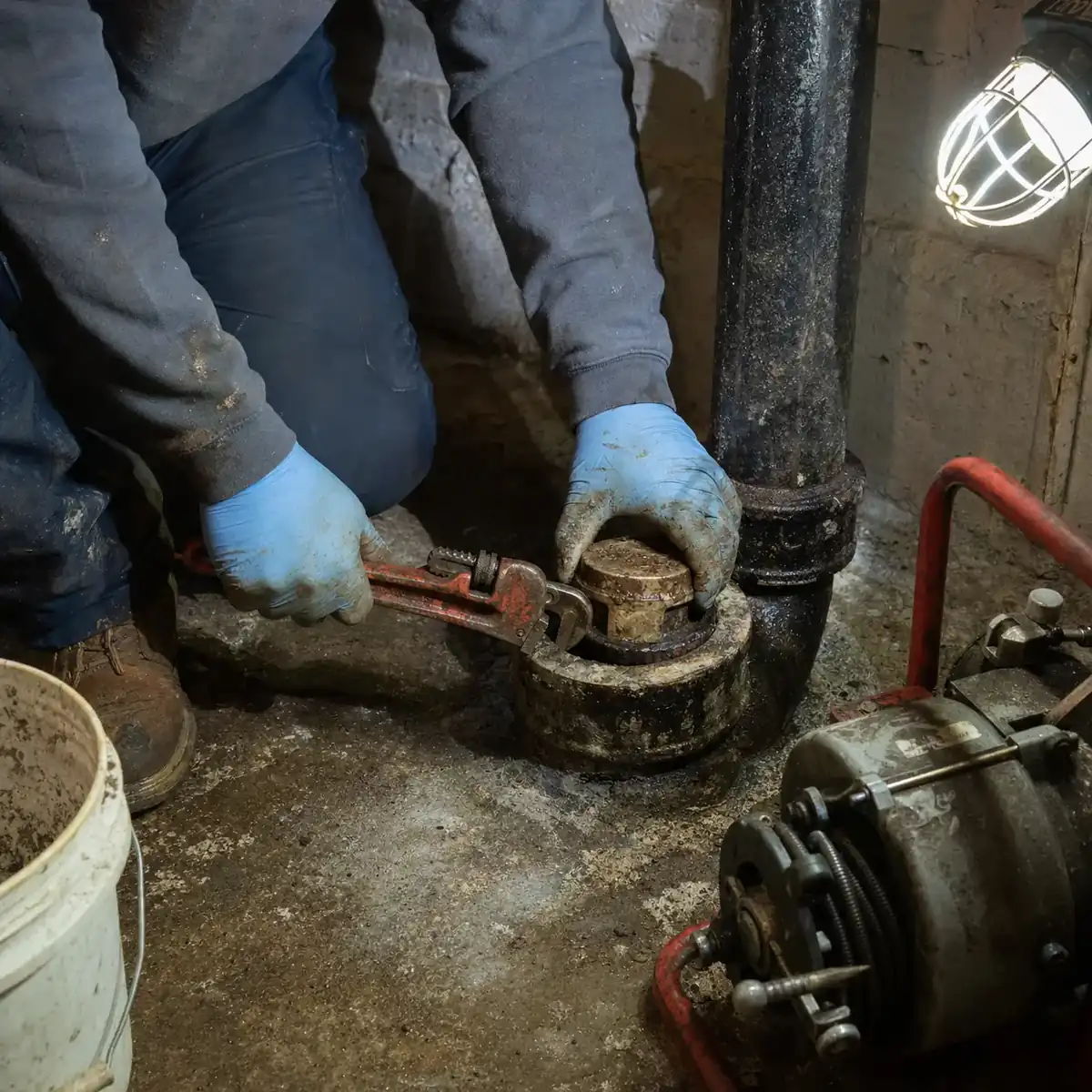
Set up at the access point
Cleanout located and opened, hose run, work area covered. Water supply connected. This is the slow part.
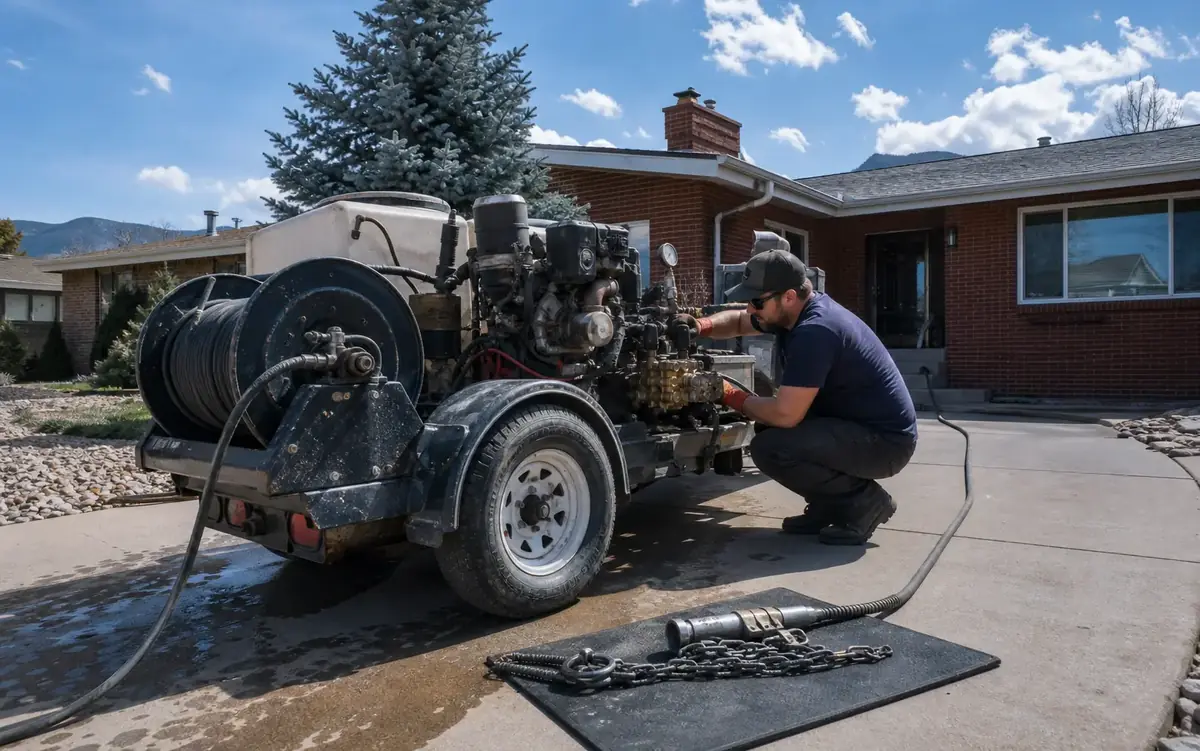
Run the nozzle out and back
Nozzle selected for the material in the line. It travels to the far end under its own thrust and scours the wall on the way back.
Camera-verify and show you
A second camera run confirms the wall is actually clean rather than channelled, and shows whether anything structural is behind the problem.
Been quoted jetting by someone else? Ask them whether the line was camera-assessed first, and for a second opinion call us on (720) 794-0974.
Jetting or cabling: which does your line need?
| Cable / auger | Hydro jetting | |
|---|---|---|
| What it does | Cuts or pulls a channel through the obstruction | Scours the full pipe wall with high-pressure water |
| Best for | Discrete blockages: root mass, object, solid plug | Coated pipe: grease, mineral scale, sludge |
| Result | Flow restored past the blockage | Pipe returned closer to full internal diameter |
| Typically lasts | Shorter where the cause is coating | Longer where the cause was buildup |
| Relative cost | Lower | Higher |
| Main constraint | Leaves the pipe wall coated | Line condition must be assessed first |
Jetting is not the better option by default. On a line with a single root intrusion, a cable does the job and jetting is spending more for the same outcome. On a grease-loaded kitchen line that re-blocks every few months, the cable is treating the symptom.
Anyone who tells you jetting fixes everything is selling, not diagnosing.
When jetting may be the right call
Grease-loaded kitchen and restaurant lines. The clearest case for jetting. Grease coats rather than plugs, so cabling reopens a channel through a pipe that's still lined with it. Commercial kitchens with a heavy grease load are the strongest example.
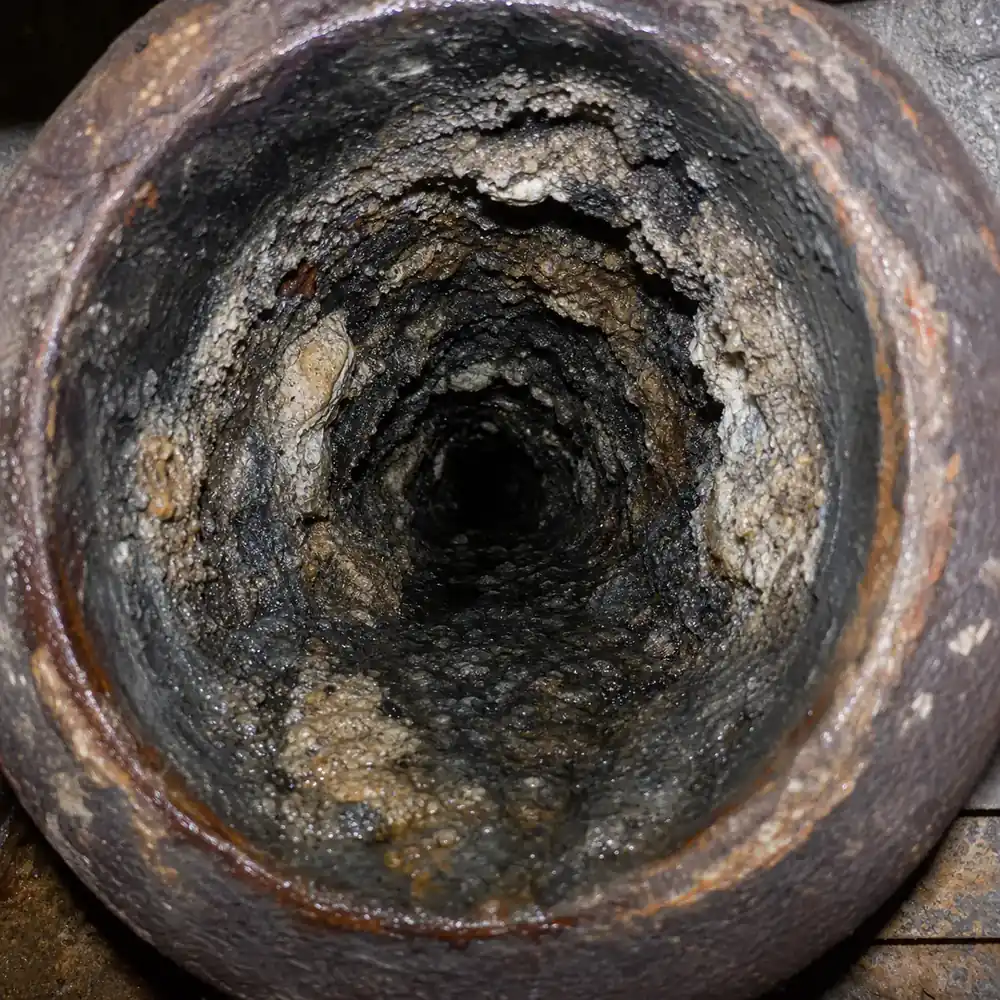
Heavy scale in older cast iron. Denver homes built before about 1950 often have cast iron drain lines. Cast iron scales inward over decades until the usable diameter is a fraction of the original. A cable passes through the middle of that; jetting takes it off the wall.
Repeat buildup after cabling. If cabling clears the line and it re-blocks in the same place on a predictable cycle, that pattern is the signal.
Fine root hair after a root cut. Cutting roots restores flow; jetting can clean up the residue and the surface roots were anchored to.
Hard-water mineral deposits. Denver's water leaves scale, and scale gives everything else something to grip.
When we'd look at the line first
High-pressure water in a compromised pipe is a real risk. Before jetting, the line's condition matters:
- Badly corroded cast iron, where the wall has thinned to the point that scale is doing structural work
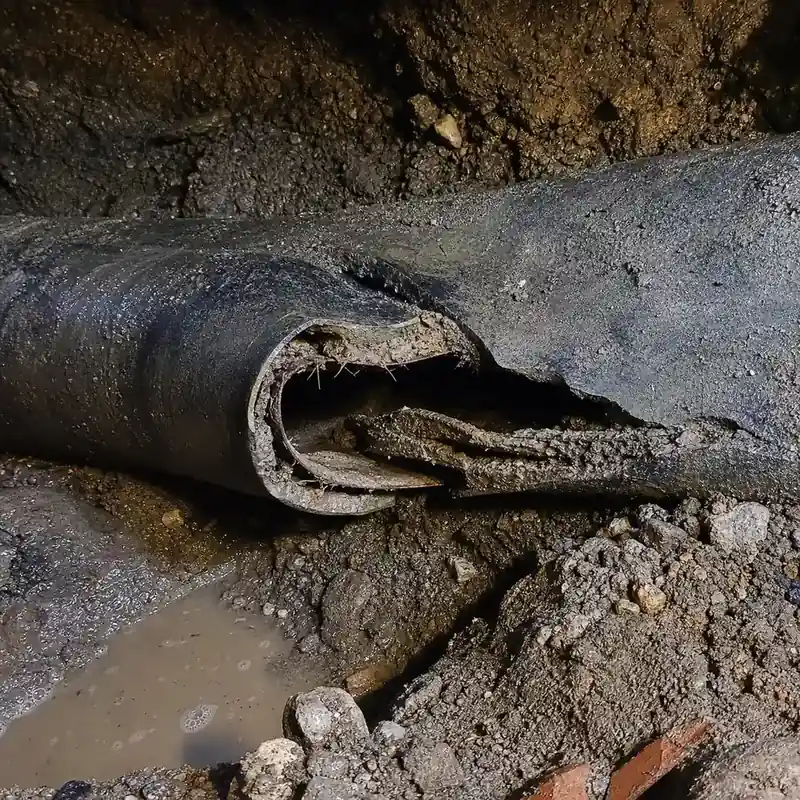
- Deformed or delaminating Orangeburg, the bituminous fibre conduit used in Denver builds roughly 1945-1972, which softens and collapses as it ages
- Vitrified clay with offset or separated joints, common in Denver's pre-1960 laterals
- Any line where nobody knows the condition, which is most lines until somebody looks
A camera inspection is how that gets settled. It is not an upsell to say so. It's the difference between cleaning a pipe and finding out the hard way that it couldn't take it.
If the line isn't a jetting candidate, we'll say so and tell you what is appropriate instead. See sewer camera inspection.
Denver pipe materials that change the answer
Cast iron: pre-1950 housing. Scales internally. The single most legitimate residential jetting justification in this city, provided the wall is sound.
Vitrified clay: pre-1960 laterals, joints every few feet. Roots enter at joints. Jetting can clean up after a root cut, but the joints are still joints.
Orangeburg: roughly 1945-1972. Assess before applying pressure.
PVC and ABS: post-1980 builds like Central Park and Green Valley Ranch. Smooth-walled and generally robust. Here the problem is usually grease and wipes rather than roots or scale.
Find out if jetting suits your line
Jetting is the right answer for a coated pipe and the wrong answer for a single blockage. A short call usually settles which you have.
We look at the problem first, explain what is involved, and give you the price. Work only begins after you say yes. If the line turns out to be a different job once it is open, we stop and tell you rather than carrying on and adding it to the bill.
- Which line, and how often it re-blocks
- What has already been tried, and how long it held
- Whether the line needs a camera first
- The price before any work starts
Water backing up right now?
Stop using the fixtures nearby, including toilets and the washing machine, and keep people and pets away from any standing wastewater. Then call and we'll work out what's happening.
Hydro jetting questions
Snaking or hydro jetting: which one do I actually need?
Cabling suits discrete blockages: a root mass, an object, a solid plug. Jetting suits coated pipe: grease, scale, sludge. If your line re-blocks every few months and a cable keeps fixing it temporarily, that pattern points to jetting. Line condition gets assessed either way.
How much does hydro jetting cost?
More than cabling, and it varies with line length, access, how heavy the buildup is, and whether a camera run is included. The honest comparison isn't jetting versus cabling once. It's jetting once versus cabling repeatedly. See how much hydro jetting costs.
Is hydro jetting safe for older Denver pipes?
It depends on the pipe's condition, which is why the line gets looked at first. Sound cast iron and clay generally handle it. Badly corroded iron, deformed Orangeburg or clay with separated joints may not. Nobody can answer this from a phone call. It takes a camera.
How long will hydro jetting last?
Longer than cabling where the problem was buildup, because the pipe wall is actually clean rather than channelled through. How long depends on what's putting material into the line. A restaurant grease load rebuilds much faster than a residential kitchen. It doesn't stop roots re-entering a cracked joint.
Can I do hydro jetting myself?
The consumer attachments sold for garden hoses and pressure washers don't reach residential drain-jetting pressure or flow, and won't travel a main line. Beyond capability, pressure in a pipe of unknown condition is the actual risk. A hand auger is the sensible DIY tool; a jetter isn't.
You might actually need
Drain cleaning
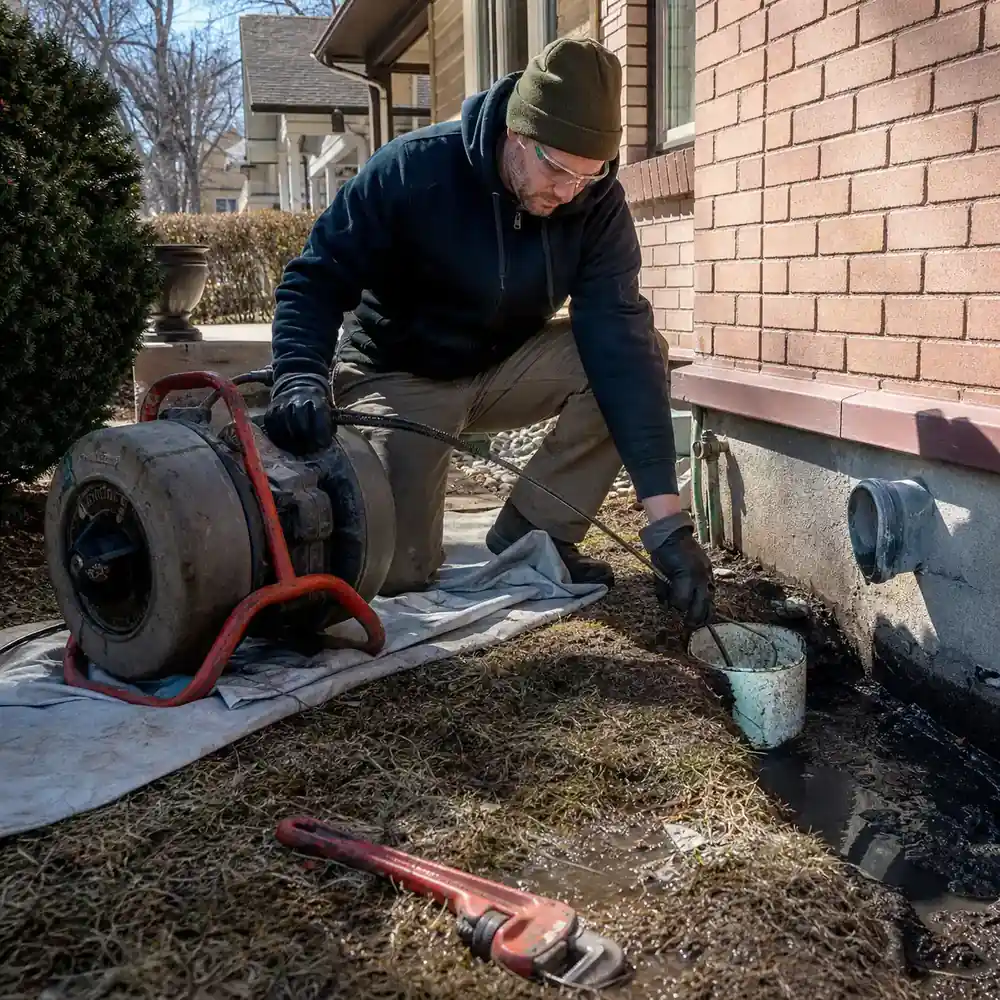
The core service, and the lower-cost method. Cable work for fixture lines and main sewer lines alike.
See drain cleaning →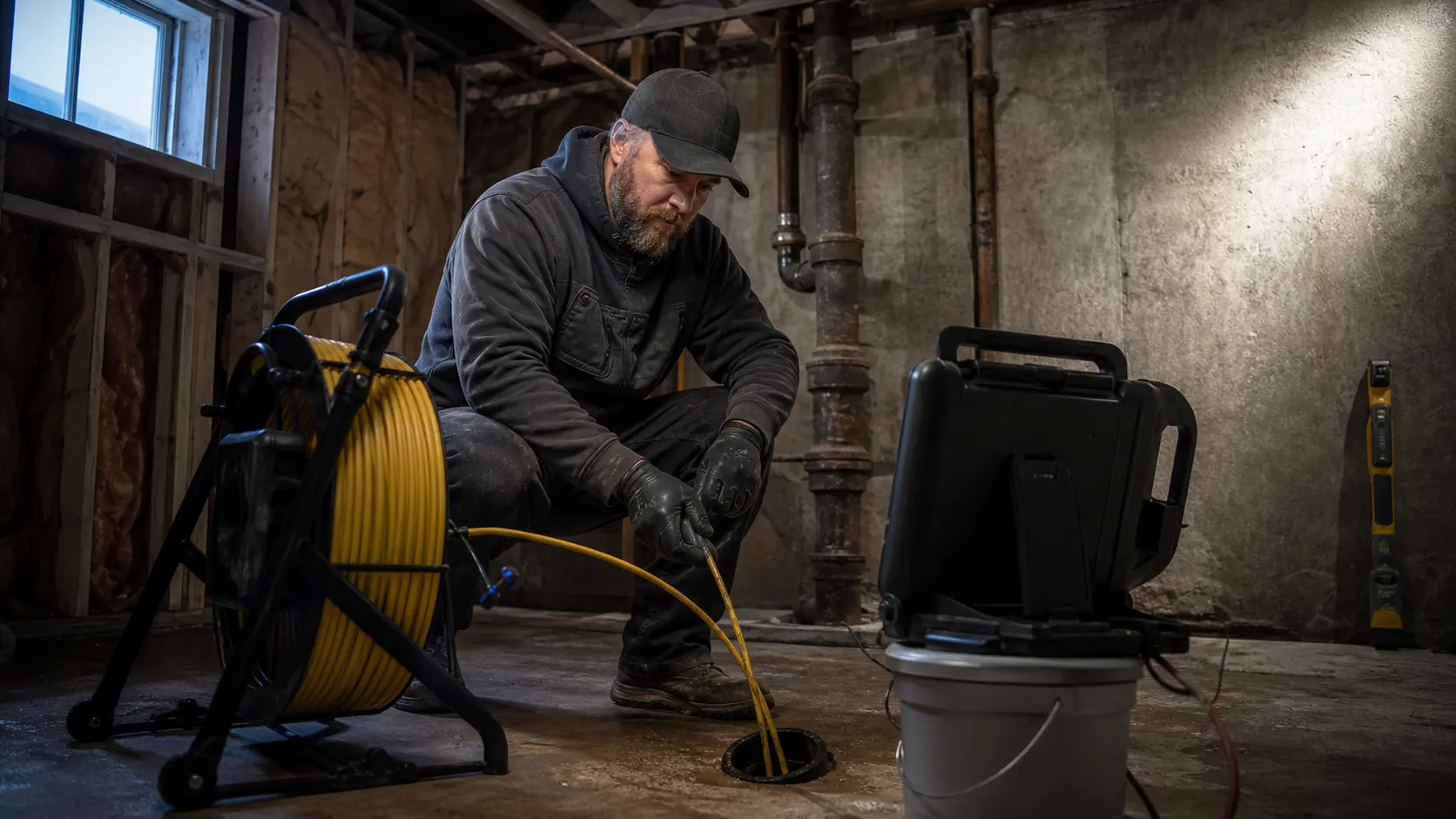
Sewer camera inspection
How we establish whether your line can take the pressure, plus the step that should come before any jetting quote.
See camera inspection →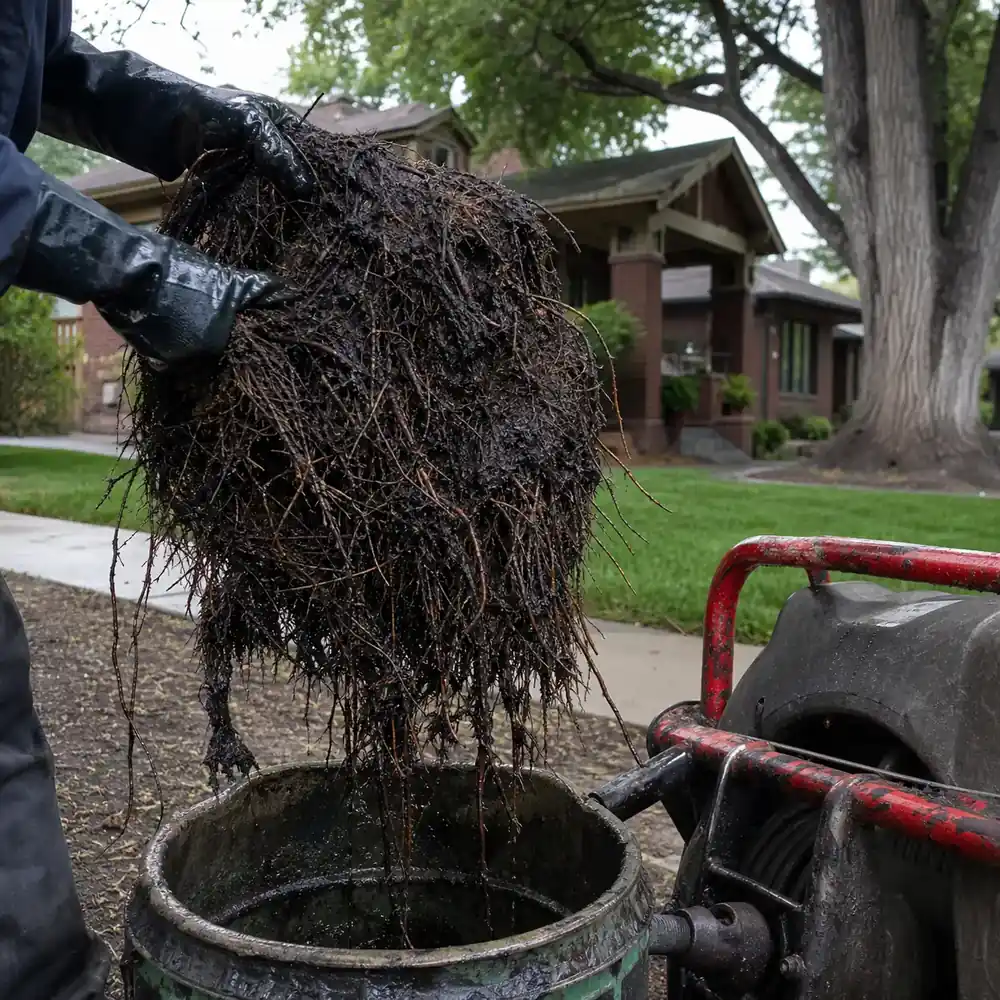
Rooter service
For root-blocked main lines. Jetting often follows a root cut to clean up the residue roots were anchored to.
See rooter service →Hydro jetting across the Denver metro
We jet drain and sewer lines in these areas. If yours isn't listed, call and ask. It takes ten seconds to check.
Is jetting right for your line?
Call and describe the pattern: which line, how often it blocks, and what's been done before. That usually tells us whether jetting is worth discussing.
Call (720) 794-0974