
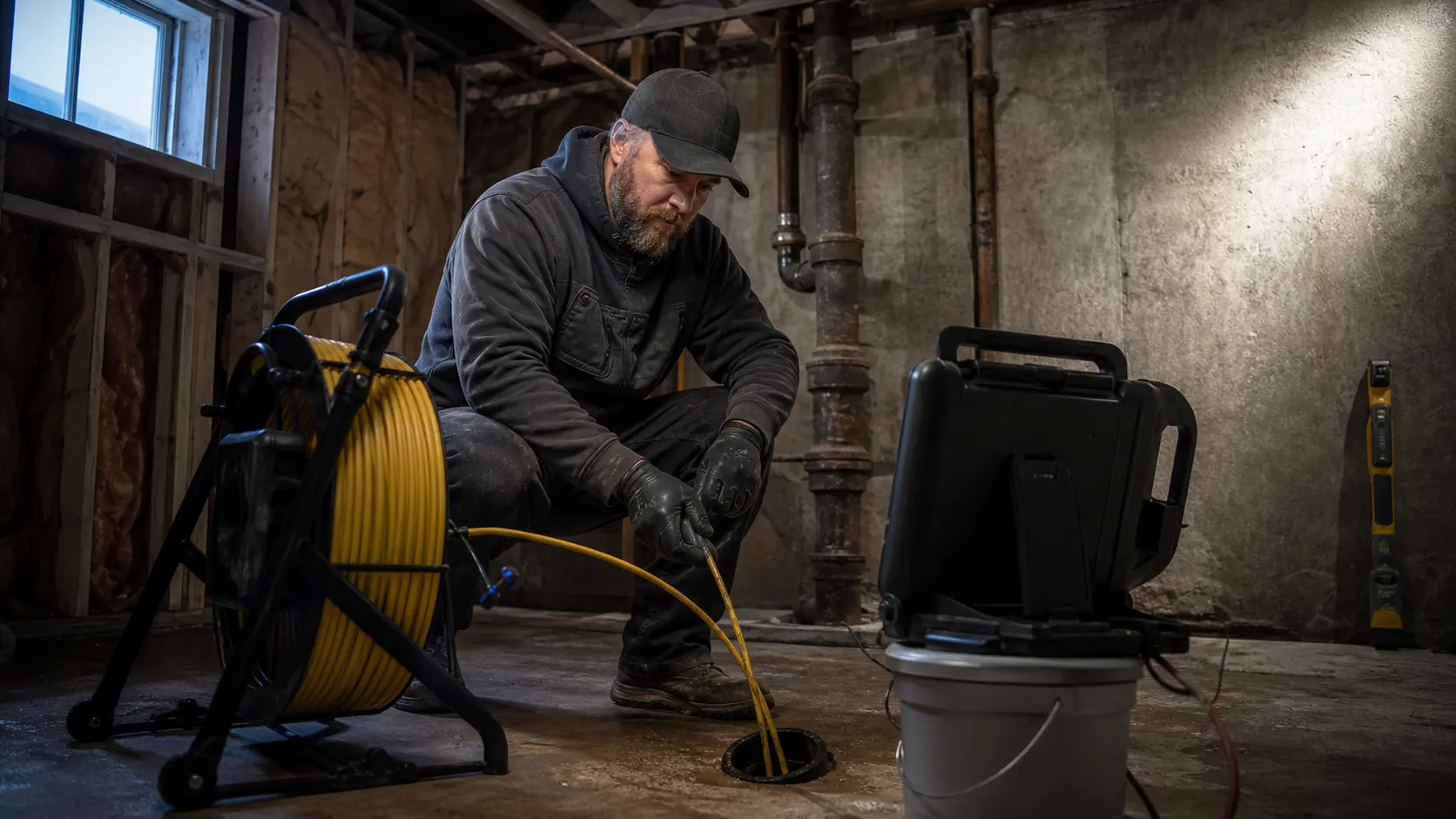
Sewer scope inspection in Denver, CO
- Pre-purchase scopes
- Inspection-window timing
- Findings explained plainly
A standard home inspection stops at the surface. A sewer scope shows you the buried lateral you are about to own, before you own it.
Call (720) 794-0974Under contract with a deadline? Tell us the date and we will tell you what is realistic.
Call (720) 794-0974Why a standard inspection misses the sewer line
A general home inspection is visual, and it stops at the surface. The inspector checks that fixtures drain, that nothing is obviously leaking, and that the visible plumbing looks sound. What they cannot do is see inside a buried pipe.
That matters, because the sewer lateral, the line running from the house to the connection at the public main, is one of the few parts of a house that can fail expensively, invisibly, and with no warning at all. It is also, in most cases, the buyer's responsibility from the moment the sale closes.
A sewer scope closes that gap. A camera goes down the line, usually through a cleanout, and you see the actual condition of the pipe you are about to own: the material, the joints, any root intrusion, any low section holding water, and whether anything has already failed.
On a Denver house built before about 1980, that is not really a precaution. It is the most useful hour anyone spends during the inspection window.
Pre-purchase sewer scope
- What it is
- A camera inspection of the sewer lateral, run before you buy, inside the inspection contingency window
- Why it exists
- A standard home inspection does not include the buried sewer line
- What it finds
- Root intrusion, offset joints, bellies, scale, cracks, deformed Orangeburg, collapsed sections, and the pipe material
- Most useful on
- Anything pre-1980, and anything where the lateral has never been documented
- Timing
- Early in the contingency window, while you still have room to negotiate or walk
- Access needed
- A cleanout, or agreement to pull a toilet. Worth arranging through the seller's agent in advance
How a sewer scope runs
Usually under an hour on a single-family home, assuming there is a cleanout to work from.
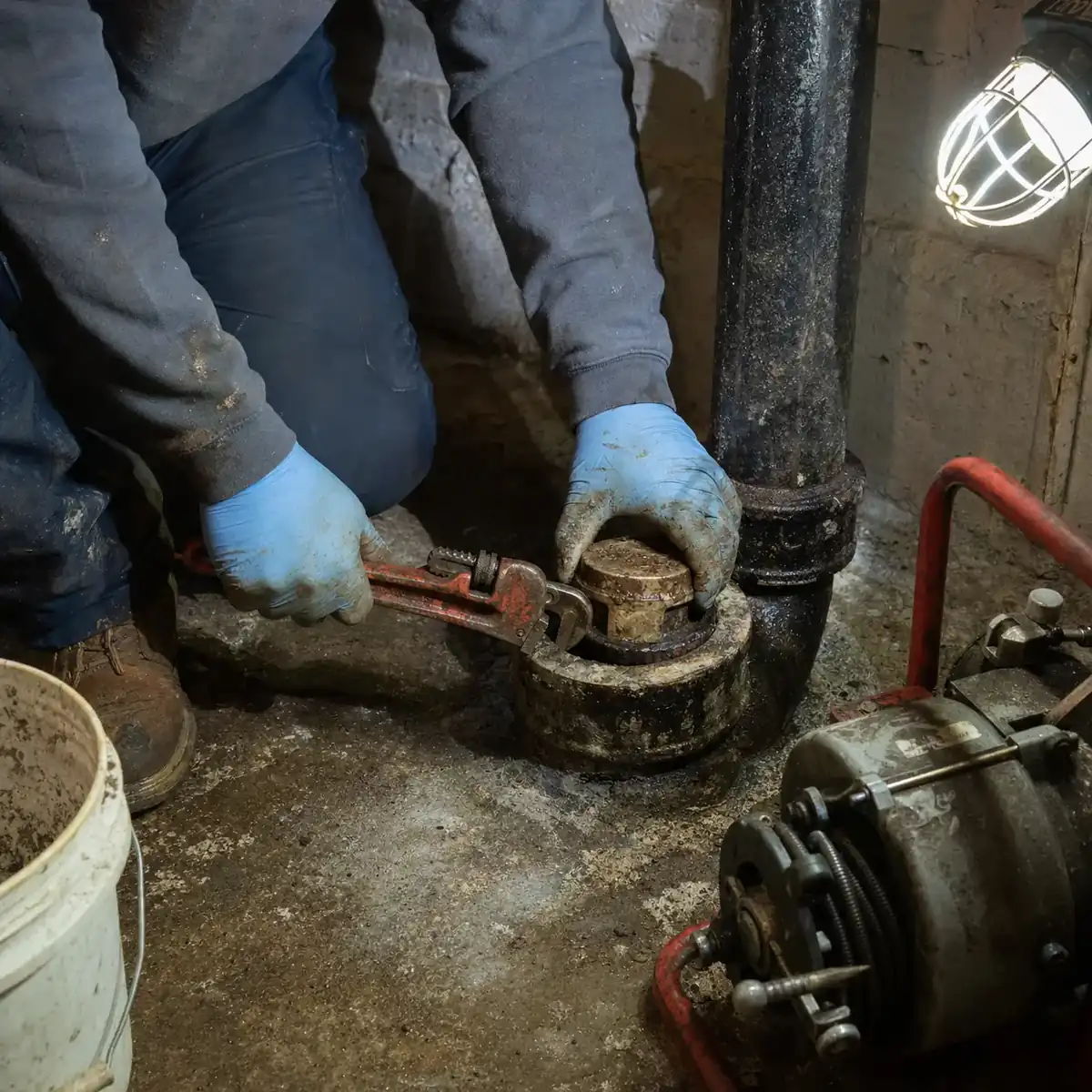
Find the access
Usually an exterior cleanout near the foundation, or one on the stack in the basement. If the house has neither, we will tell you before booking, because it changes the job.
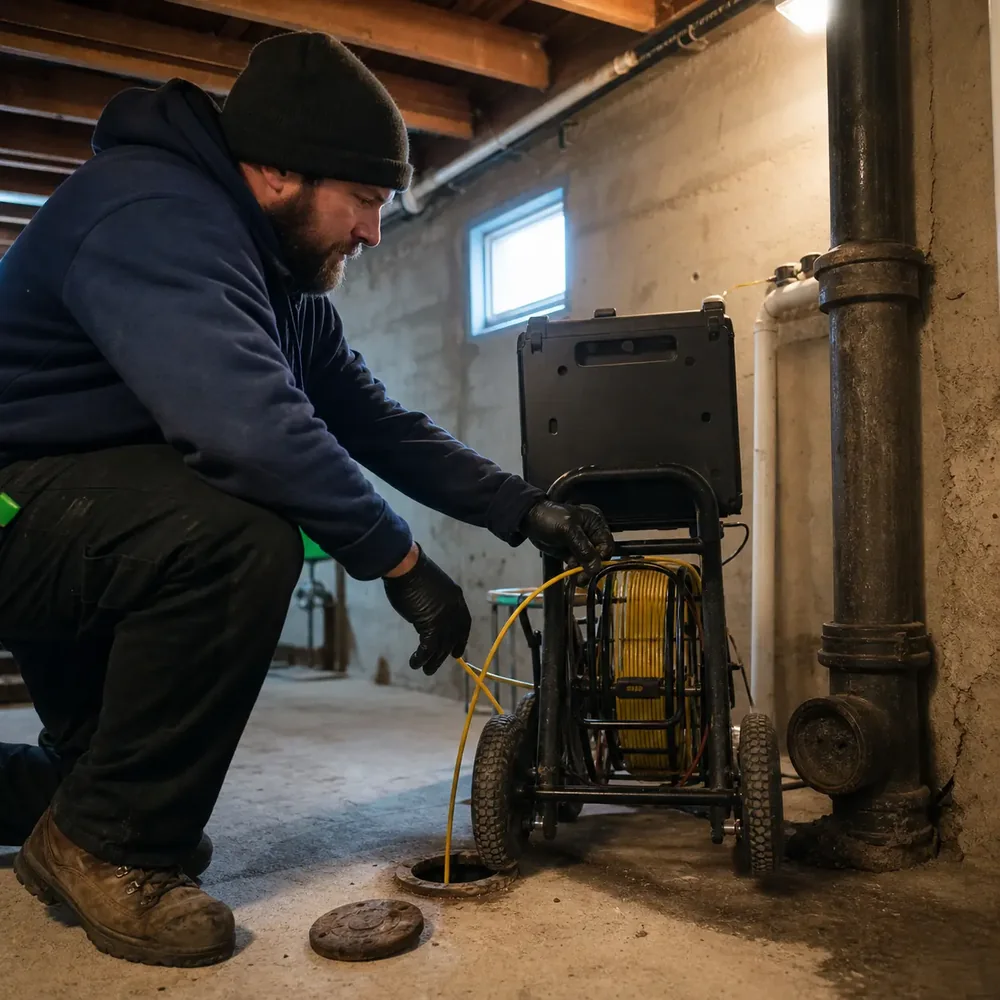
Run the camera to the main
The rod is marked, so every finding comes with a distance. Something at 47 feet is 47 feet from the access point, which puts it somewhere specific rather than somewhere vague.
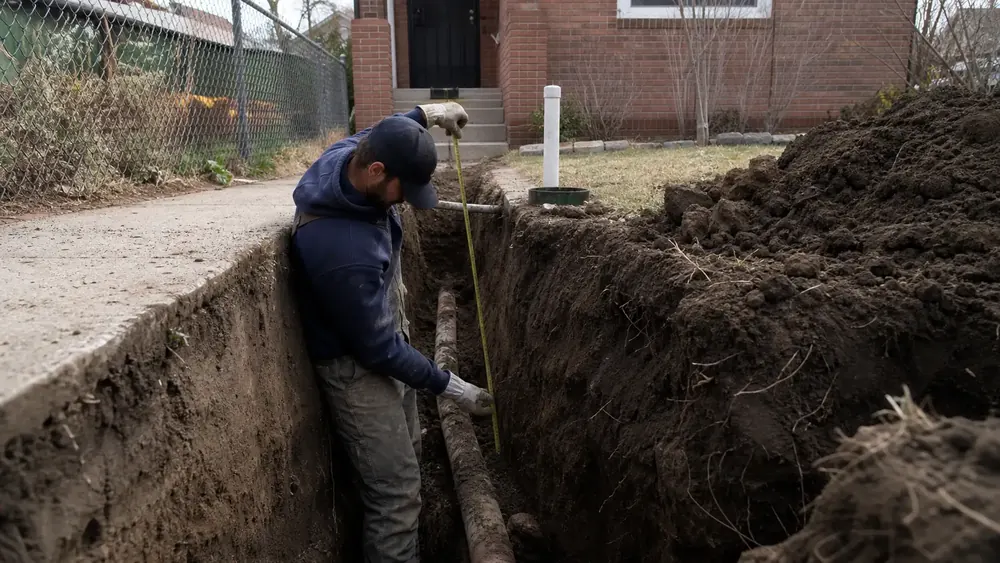
Locate anything that matters
The camera head carries a sonde. A locator at the surface marks position and approximate depth on the ground, so any repair quote is about a known spot rather than a guess.
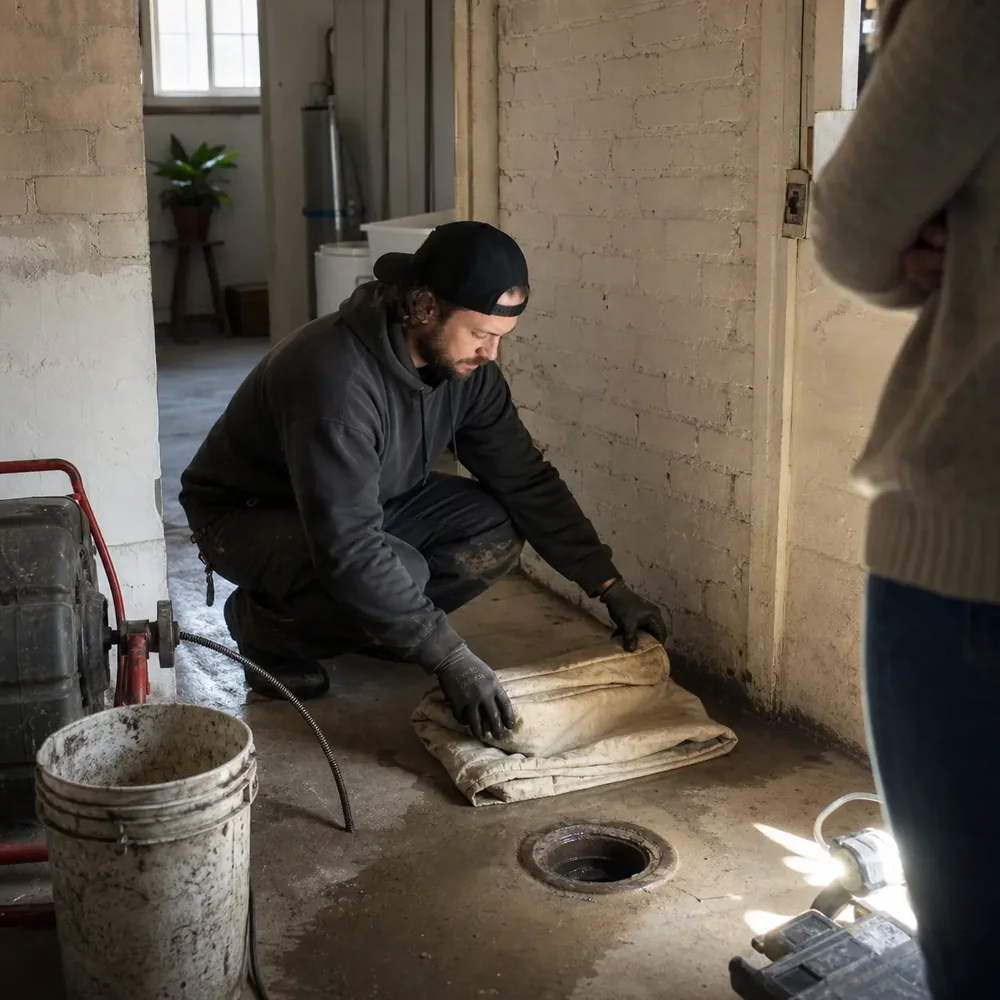
Walk you through what it shows
What the pipe is made of, what condition it is in, and which findings are worth acting on now against which are simply normal for a line of that age.
Under contract with a deadline? Say so when you call and we will tell you honestly what we can fit in, on (720) 794-0974.
What a scope actually finds in Denver
Denver's housing stock is old and unusually varied, and the sewer laterals under it tell that story clearly.
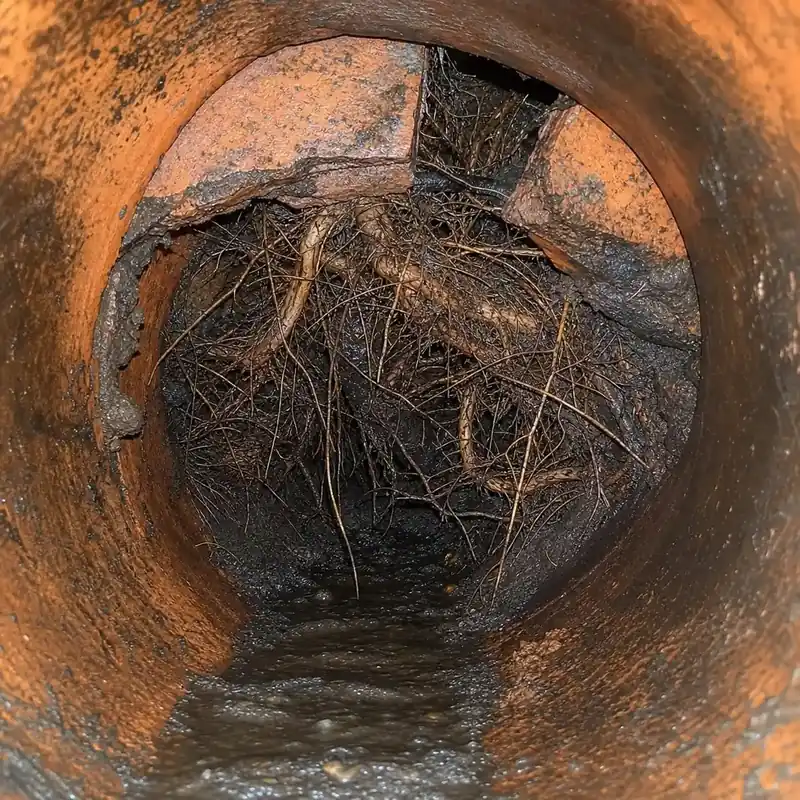
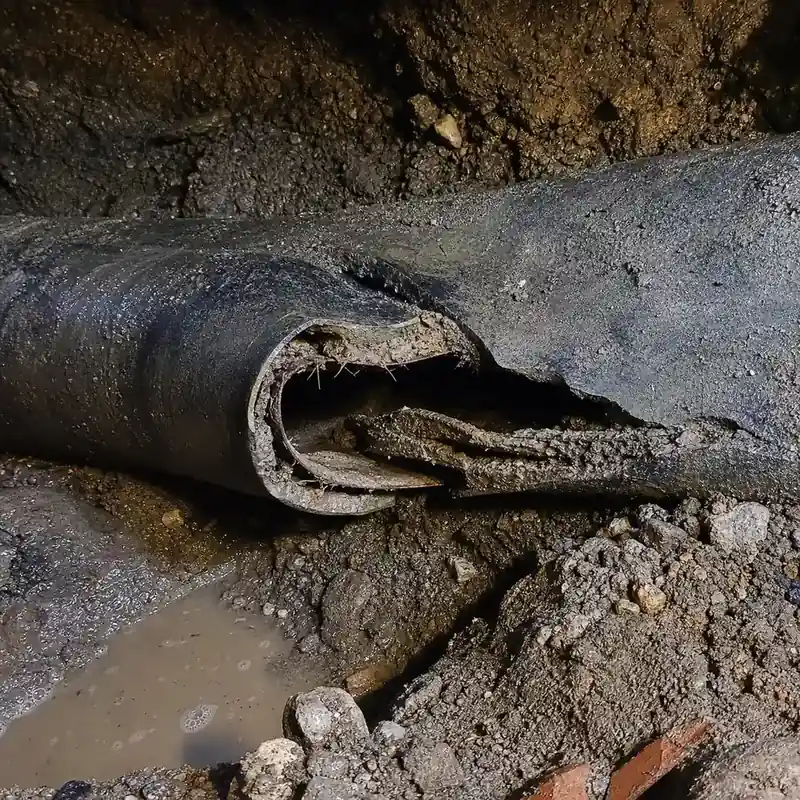
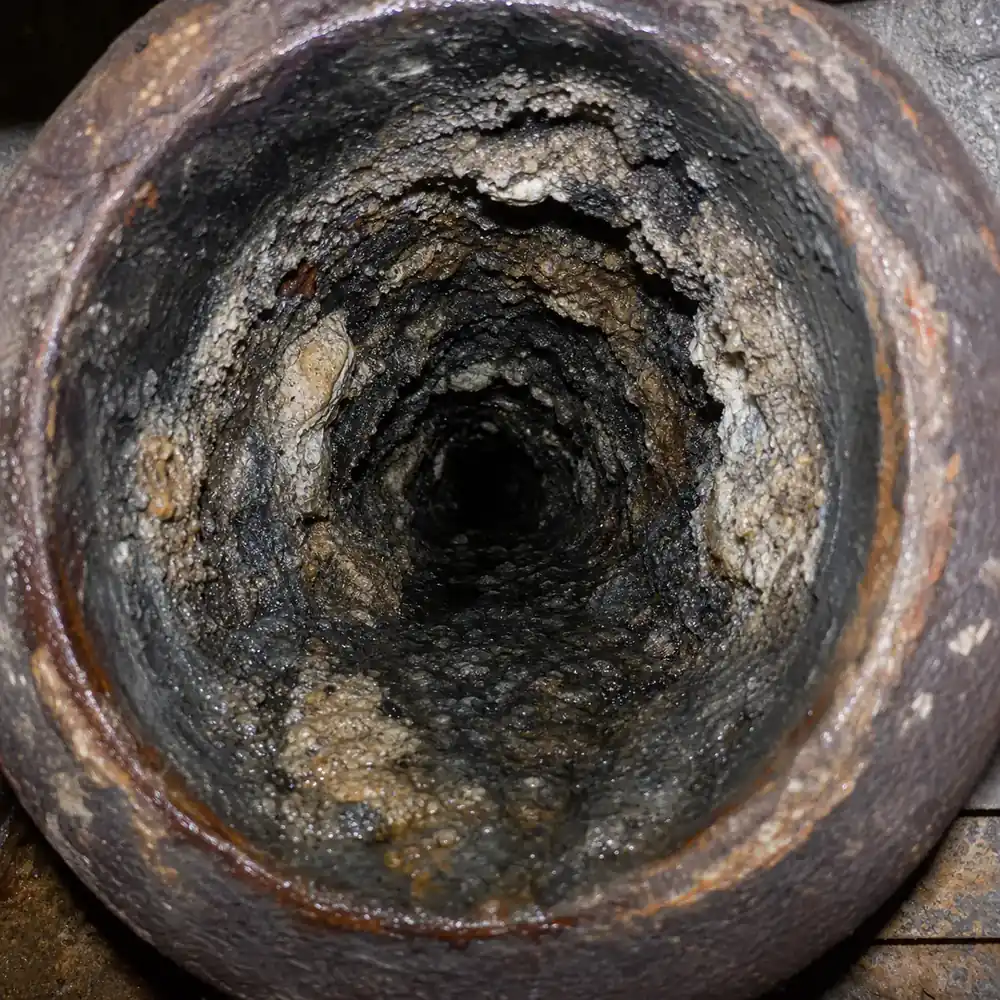
Bellies. A low section where the pipe has settled and now holds standing water. Solids drop out in the dip instead of being carried through, so the line blocks on a cycle. A shallow belly is common and often liveable; a deep one is a recurring problem with a repair attached to it.
Offset joints. Sections that have shifted relative to each other as soil moved. A small offset catches paper. A large one is a structural finding.
Cracks and separations. The way roots get in to begin with. What matters is how many, where they are, and whether the surrounding pipe is sound.
Nothing at all. Worth saying plainly: plenty of scopes find a sound line and end there. That result is not a wasted fee. It is the thing you were buying.
Not sure whether the house you are buying warrants one? Tell us the build year by phone on (720) 794-0974.
A finding is not automatically a dealbreaker
This is where scopes get misused, in both directions. A buyer who treats every root as a catastrophe walks away from sound houses. A buyer who ignores a deformed lateral inherits a five-figure problem three months after moving in.
The useful questions are the same every time. How much of the line is affected? One joint is a cleaning conversation; twelve is a replacement conversation. What is the pipe made of? Sound clay with roots at one joint behaves very differently from Orangeburg. Is it failing, or is it just old? Cast iron with scale is doing exactly what cast iron does at eighty years old.
What a scope gives you is the ability to have that conversation using actual footage rather than anyone's opinion, including ours. If we find something, we will tell you plainly what it is and what the realistic range of responses looks like.
Worth knowing: we clear and inspect drain and sewer lines. We do not carry out sewer line replacement, trenchless repair or CIPP lining, so we have nothing to sell you on the back of a finding. If the line needs work beyond cleaning, we will say so, and you will take that to someone who does it.
If you are the agent rather than the buyer
Deadlines are the whole problem. A scope is only useful if it happens early enough in the contingency period to act on, and the two things that most often blow that timeline are access and scheduling.
Access. Ask the listing side where the cleanout is before the appointment. On a lot of older Denver properties nobody knows, and finding out on the day costs you half the window.
Scheduling. Tell us the deadline when you call, not after. If we cannot fit it in time to be useful, we will say so immediately rather than take the booking and leave you short.
Reporting. Ask when you call what you will get and in what form, so you know what you can pass on to your client and what you cannot.
You might also need
Sewer camera inspection
The same diagnostic outside a property sale, for a recurring blockage or to settle whether a fault is yours or the utility's.
See camera inspection →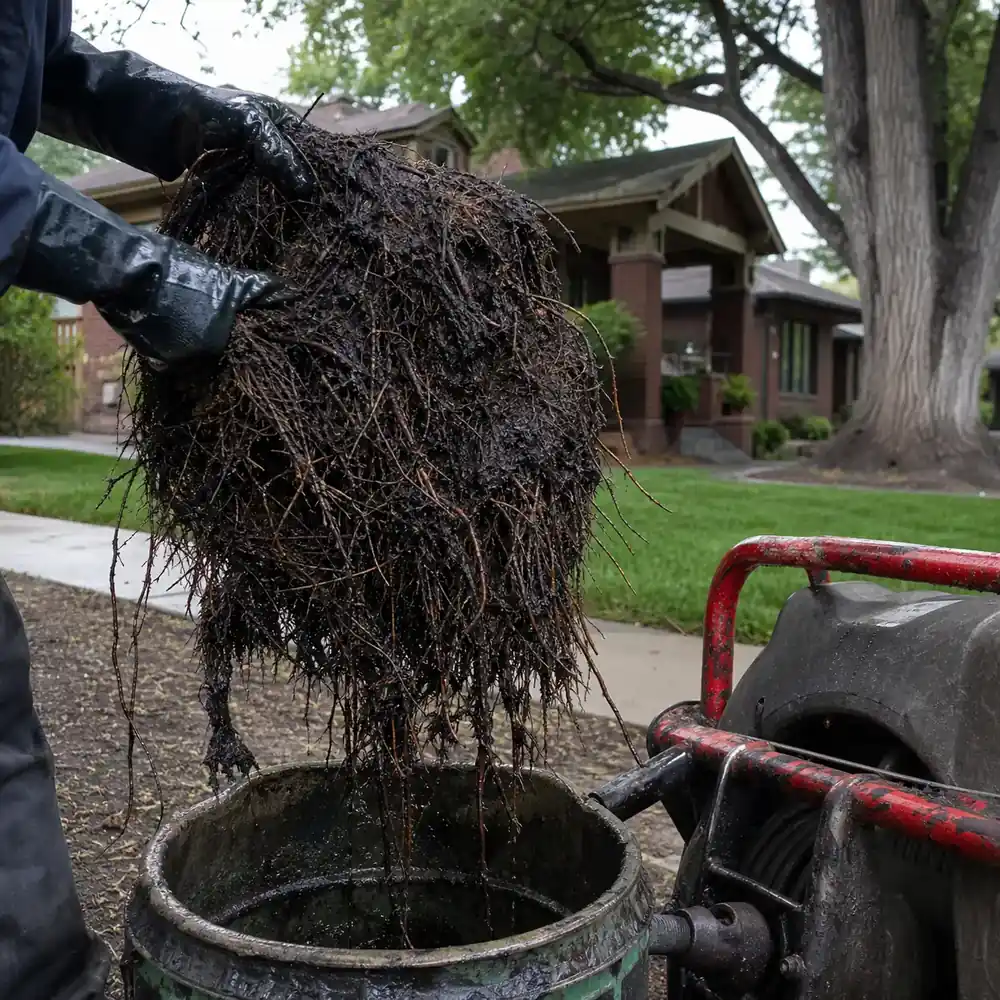
Rooter service
If the scope finds roots and the line is otherwise sound, this is the work that clears them.
See rooter service →
What drain work costs in Denver
The five variables that move the price, and how to compare quotes that are not actually comparable.
Read the cost guide →Book a sewer scope for the house you are buying
Tell us the address, roughly when the house was built, and your inspection deadline. That is usually enough for us to tell you what is realistic.
We look at the problem first, explain what is involved, and give you the price. Work only begins after you say yes.
- The property address and rough build year
- Your inspection contingency deadline
- Whether anyone knows where the cleanout is
- The price before any work starts
Common questions
Do I need a sewer scope before buying a Denver home?
On anything built before about 1980, yes. A standard home inspection does not include the buried sewer lateral, and a lateral replacement is a large unbudgeted expense that lands on the buyer after closing. Do it early in the inspection contingency window while you still have room to act on what it finds.
How long does a sewer scope take?
Usually under an hour on a single-family home where there is an accessible cleanout. Without a cleanout it takes longer, because the line has to be reached another way. That is worth establishing before the appointment rather than on the day.
What if the seller will not allow a scope?
That is a question for your agent rather than for us, but it is unusual for access to be refused outright during a normal inspection period. Where it does happen, it is worth understanding why. We only need access to a cleanout, and the inspection itself is non-invasive.
Does a scope tell me what a repair will cost?
Not on its own. It tells you what is there, where it is, and how much of the line is involved, which is what any repair quote has to be based on. We do not carry out sewer replacement or lining, so repair pricing would come from a contractor who does that work.
What if the scope finds nothing wrong?
That is a normal and useful outcome. You get confirmation that the most expensive invisible component of the house is sound, documented before you took ownership of it. That is what the fee buys, whichever way the result goes.
Can you scope a line that is currently blocked?
A camera shows what the camera can see, and it cannot see through standing water or a solid blockage. If the line is blocked it usually has to be cleared first before a scope produces a useful picture. Tell us on the phone and we will explain what that means for the order of work.
Question not answered here? Ask it by phone on (720) 794-0974.
Across the Denver metro
If your area is not listed, call and ask. It takes ten seconds to check.
Book a scope before your contingency closes
Call with the address, the rough build year and your inspection deadline. That is usually enough to tell you what is realistic.
Book a sewer scope