
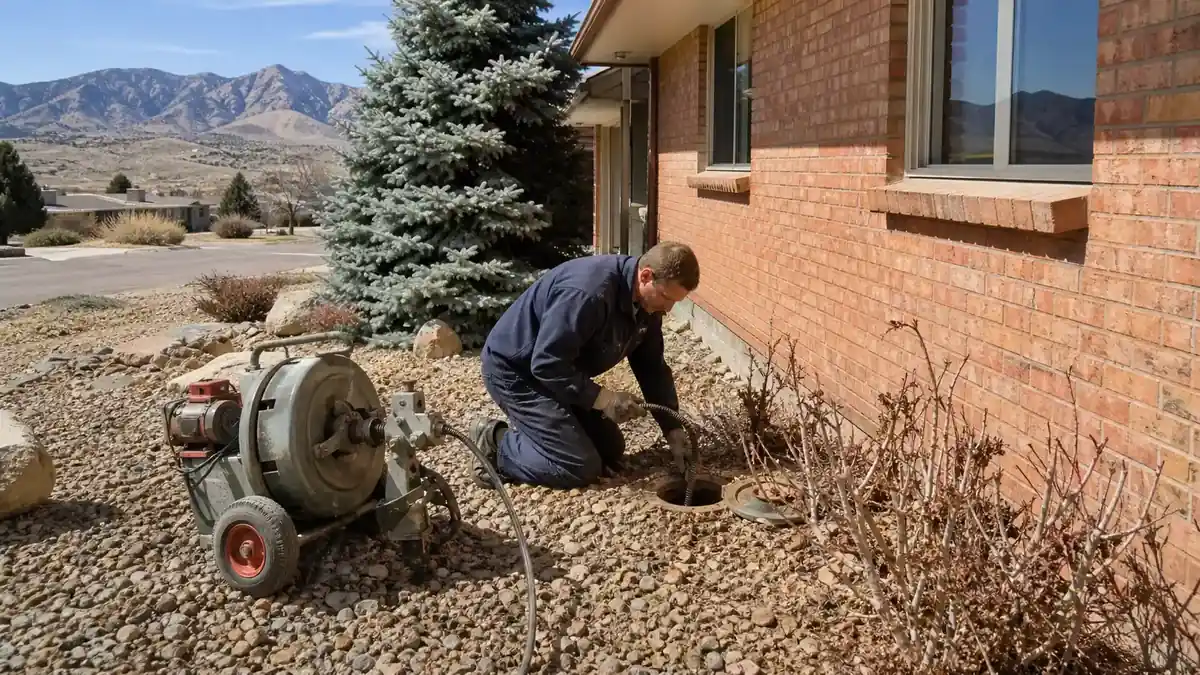
Drain Cleaning in Lakewood, CO 80226
- ZIP 80226
- 6 ZIP codes covered
- 1950s to 70s ranch belt
- Cast iron and clay
Lakewood is largely a post-war suburb, built out heavily through the 1950s, 60s and 70s as Denver expanded west toward the foothills. That puts most of its housing in a specific plumbing era, and it shows in the drain problems.
Call (720) 794-09741950s brick ranch on cast iron and clay? Scale and roots are both live candidates. Call and describe it.
Call (720) 794-0974Drain problems we see in Lakewood homes
The brick ranch belt and its cast iron
Much of Lakewood is single-storey brick ranch housing from the 1950s and 60s. Homes from that period commonly have cast iron drain lines inside and clay laterals out to the street.
Cast iron scales inward. Over sixty or seventy years the deposit on the pipe wall reduces the usable diameter considerably, so a line that was fine for decades starts draining slowly, then slowly enough to catch things, then blocks. The characteristic sign is a gradual decline rather than a sudden stoppage.
Clay laterals with a generation of tree growth
The trees planted when these subdivisions went in are now sixty-plus years old, and the clay laterals beneath them have joints. Root intrusion here is real, though generally not at the scale of Denver's pre-1930 neighborhoods, because both the pipe and the trees are a few decades younger.
Basement floor drains
A lot of Lakewood ranches have full basements, many finished at some point into living space. The floor drain is the lowest opening in the system and shows main-line restriction first, which means a Lakewood main-line problem often announces itself by backing up into a finished basement.
Long laterals on wide lots
Post-war subdivision lots are generous and houses are often set well back. That makes for a longer run from the house to the street than in the older inner-city neighborhoods, and a longer lateral has more joints and more opportunity for something to settle.
Newer sections behave differently
The western and southern parts of the city built out later carry PVC, and those lines have the newer-housing profile of grease and wipes rather than roots and scale. Lakewood is not uniform, and roughly when the house was built is the useful question.
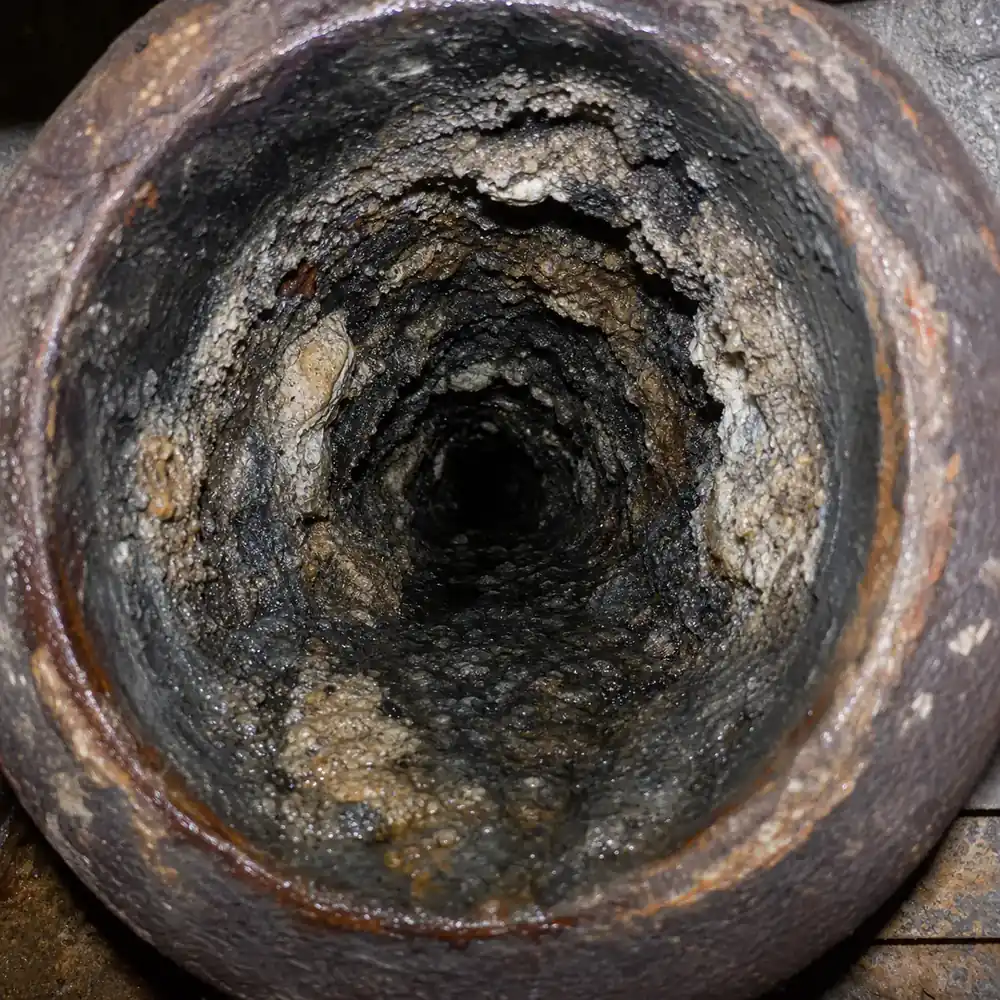
Scale in the ranch belt. Sixty years of internal corrosion narrows the line from the wall inward.
Recognise any of that? Describe what your drain is doing and we will tell you which one it sounds like, on (720) 794-0974.
Services that fit these homes
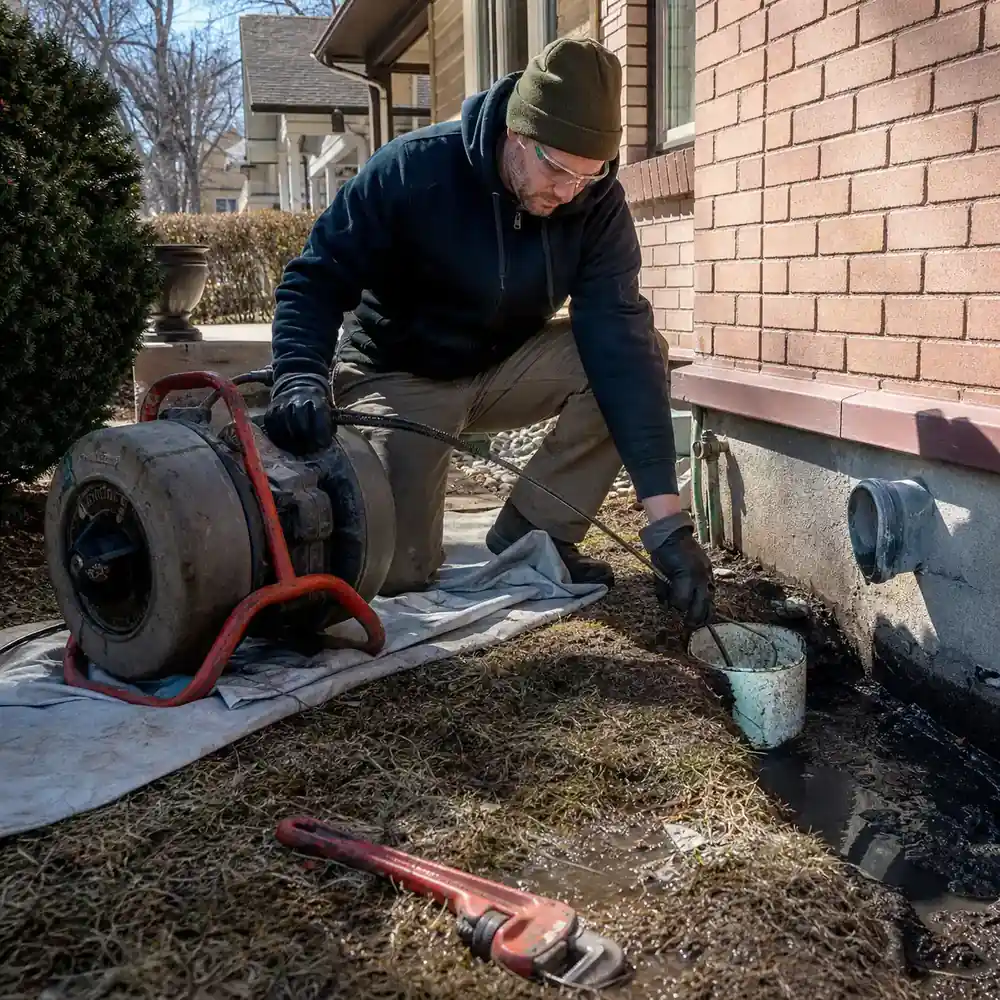
Drain cleaning
Including main-line work, which is a large share of what we do out here.
See drain cleaning →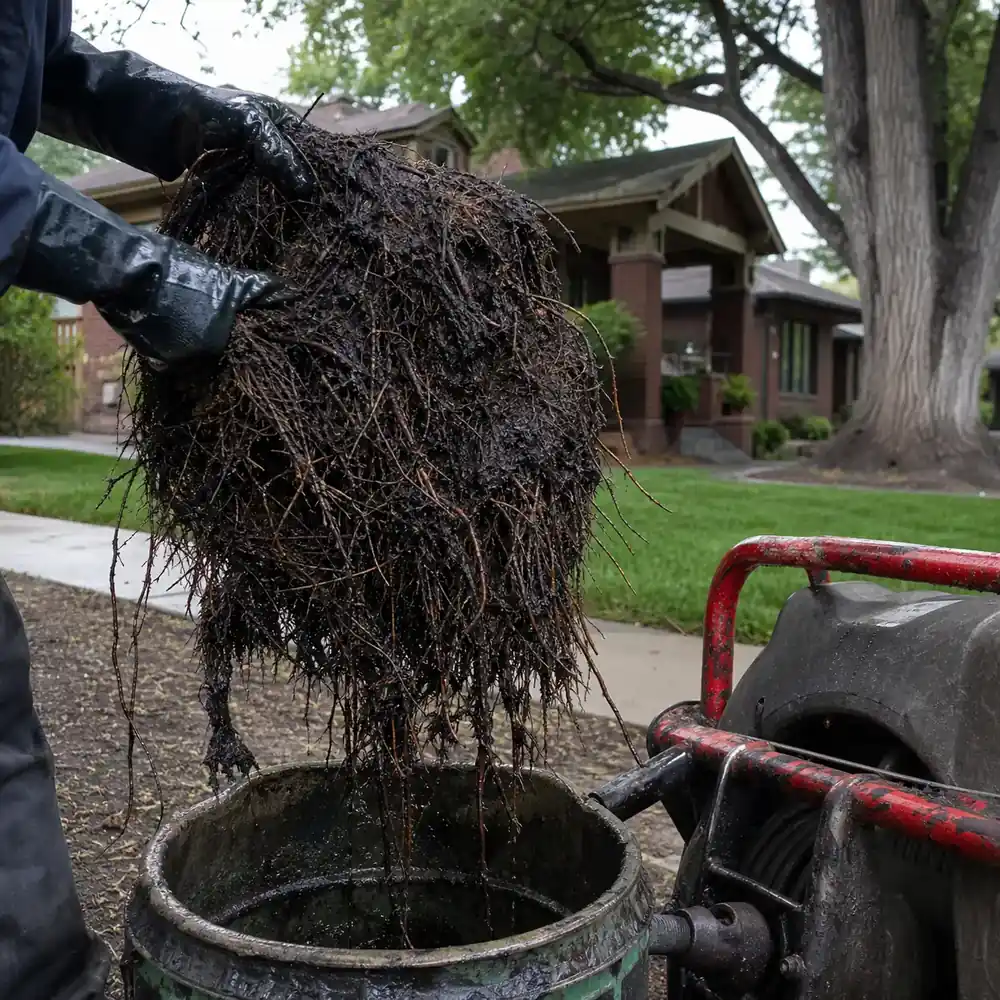
Rooter service
For clay laterals with root intrusion.
See rooter service →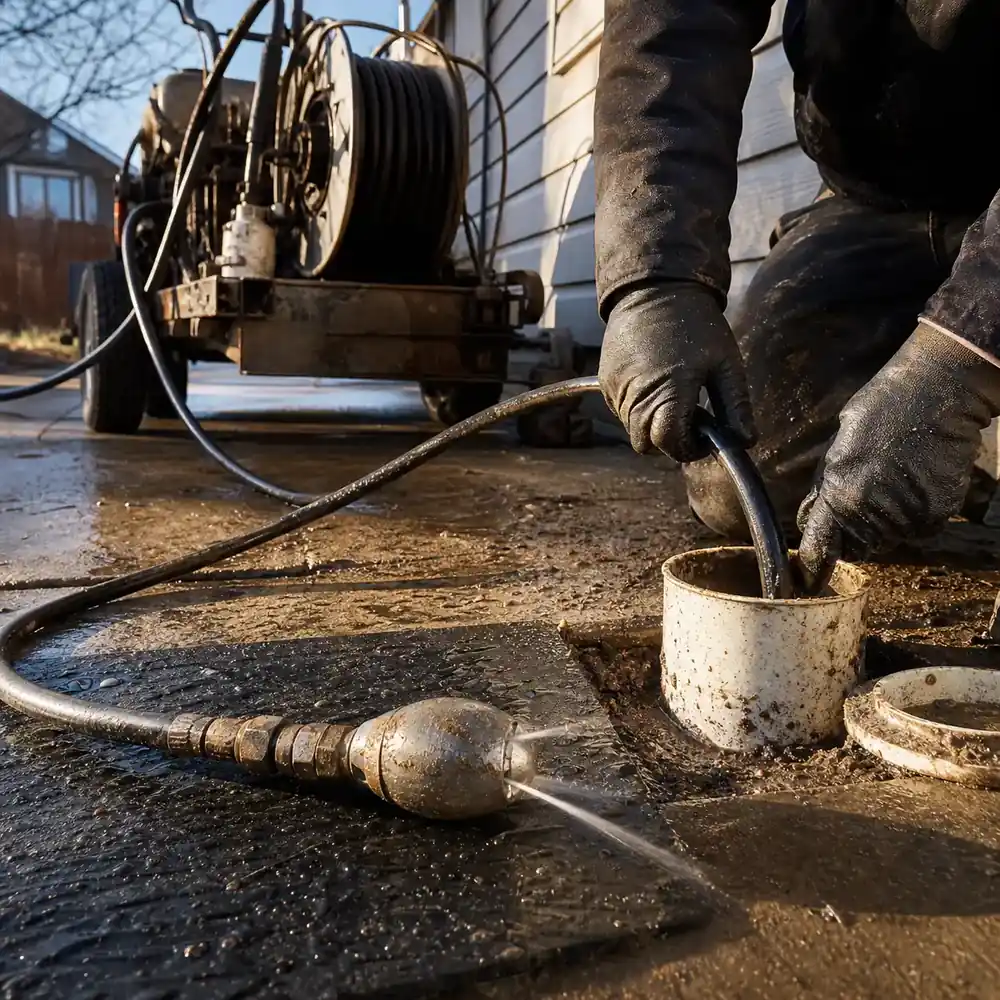
Hydro jetting
Has a genuine case in Lakewood's cast iron. Scale on the pipe wall is exactly what jetting is for, where the iron is sound enough to take it. That last part matters, so the line gets assessed first.
See hydro jetting →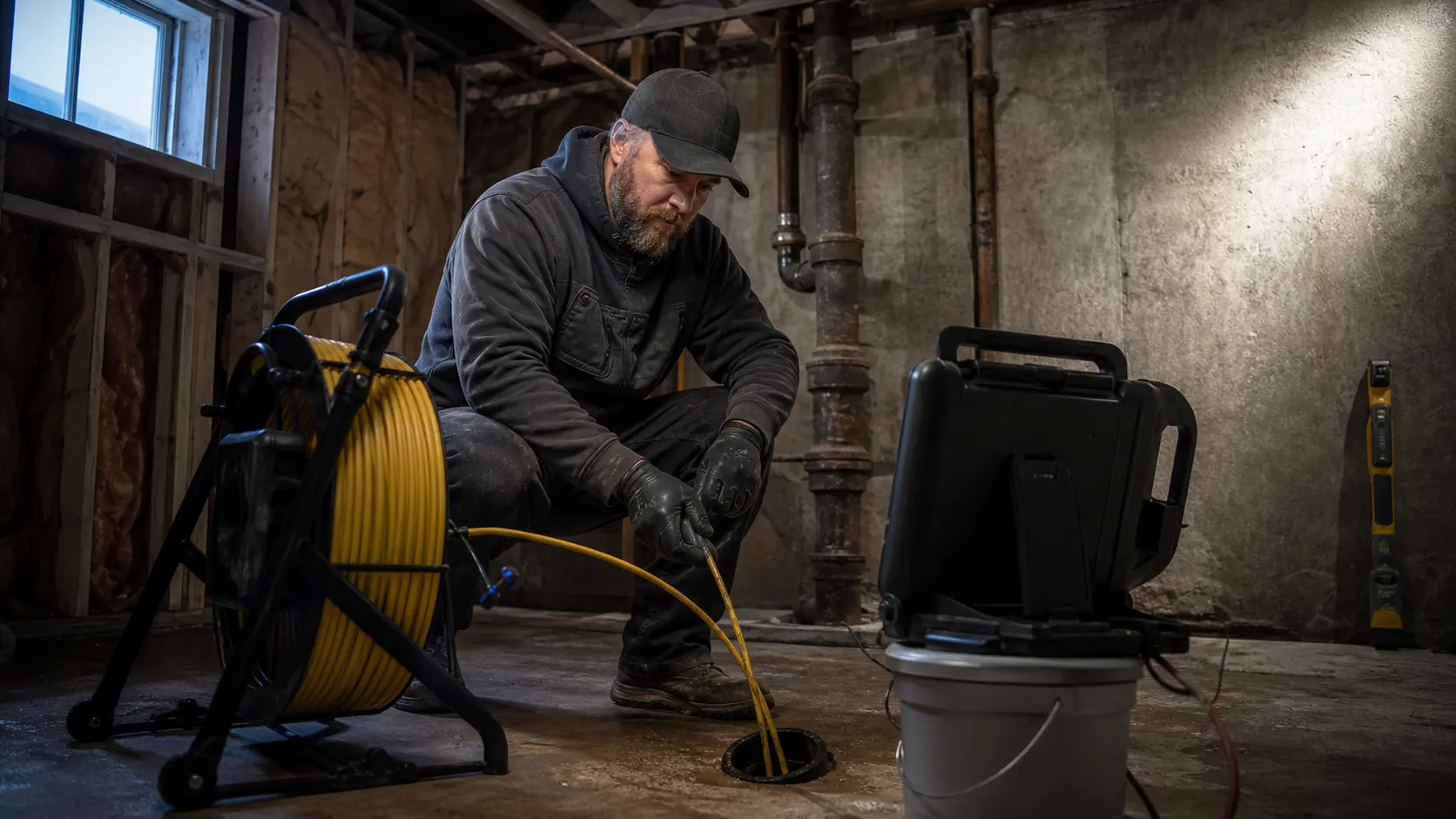
Sewer camera inspection
To answer how much usable diameter is actually left in an older cast iron line. That is a real decision point on a 1950s house, because it separates a line that needs cleaning from one approaching the end of its service life.
See sewer camera inspection →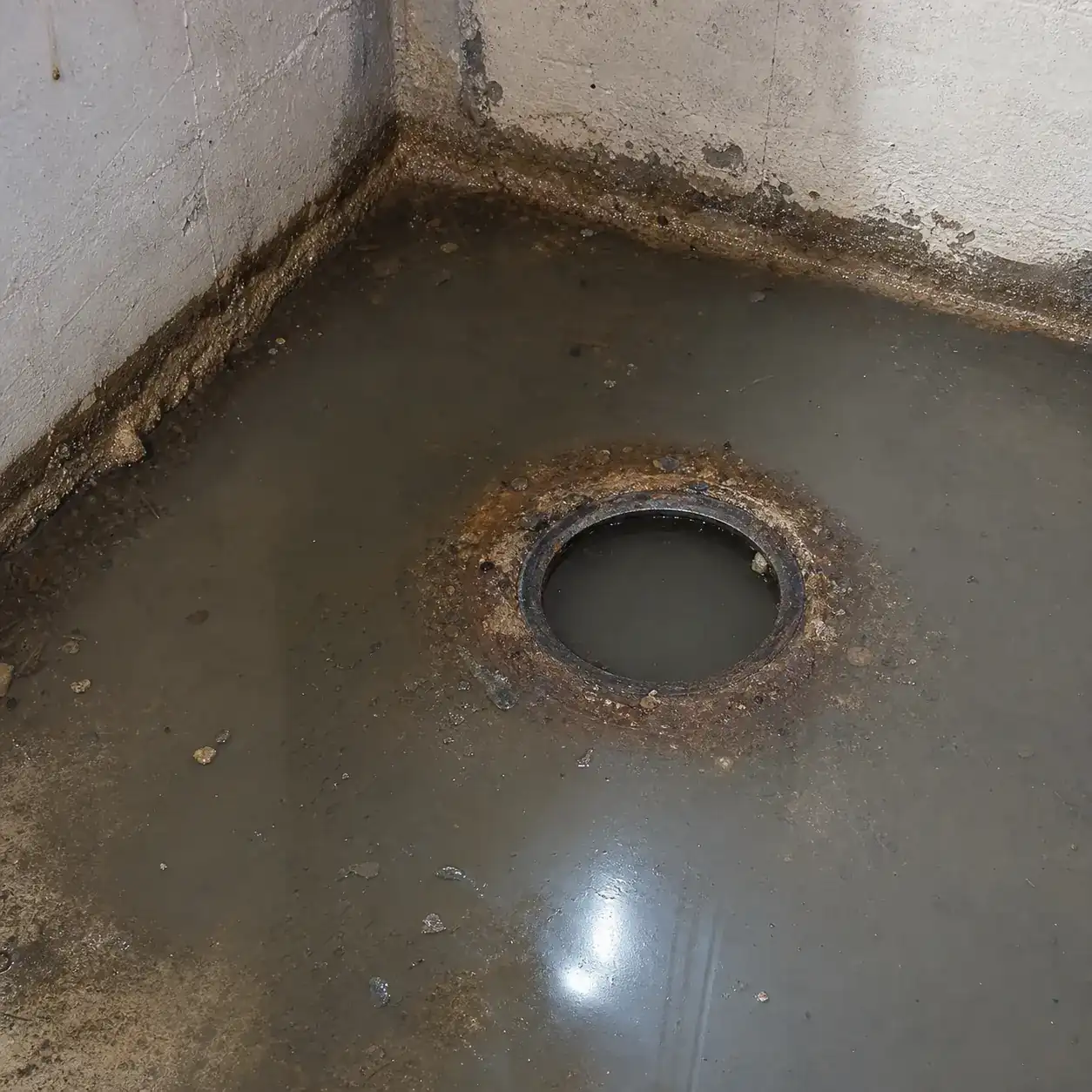
Emergency drain service
Where a backup is reaching a finished basement.
See emergency drain service →Other areas we cover
Same drains, different lines. If you are near Lakewood but not listed, call and ask. It takes ten seconds to check.
Working on a Lakewood drain
Lakewood is not served by one single sewer utility. This is the genuinely unusual thing about drain work out here, and it catches people out. Unlike Denver proper, wastewater service across Lakewood is provided by a number of separate special districts rather than one citywide utility, and which one covers your address depends on where in the city you are.
For a blocked drain it rarely matters, because the lateral from your house to the main is your responsibility either way. Where it starts to matter is when the problem turns out not to be on your side of that boundary, because then you need to know who to report it to.
If a camera run shows the restriction sitting past your property line, we will tell you that plainly, and that is the point at which finding out which district serves you becomes worth doing.
The brick ranch belt. Most of our Lakewood work is in the 1950s to 70s ranch housing, and that stock is consistent enough to be predictable: cast iron inside, clay laterals out, mature trees over the top of them. Scale and roots are both live candidates, and often both are present.
Access is usually reasonable. Ranch-era construction generally has a cleanout, and the lots are large enough that getting equipment to it is not a problem.
Finished basements. Common across the ranch belt, and worth flagging when you call. A floor drain backing up into finished space is more urgent than the same symptom on bare slab.
Not sure whether it is scale or roots? On a Lakewood ranch it is often both. For an answer, call (720) 794-0974 and describe the pattern.
Where we work in Lakewood
Lakewood and west metro
ZIP codes covered- 80214
- 80215
- 80226
- 80227
- 80228
- 80232
- Named areas
- Belmar, Green Mountain, Eiber, Glennon Heights, Union Square
- Housing
- 1950s to 1970s brick ranch, with later PVC build-out west and south
- Usual cause
- Cast iron scale narrowing the line, plus root intrusion in clay laterals
Lakewood sits directly west of Denver, and we work the whole metro. Arvada is north, Highlands and central Denver east.
You'll know the price before we start
We look at the problem first, explain what's involved, and give you the price. Work only begins after you say yes.
Call (720) 794-0974Lakewood questions
My 1960s Lakewood house drains slower every year. What is that?
That gradual pattern is characteristic of cast iron scaling. The deposit builds on the pipe wall over decades and narrows the usable diameter, so the line drains progressively slower rather than blocking suddenly. A camera shows how much is left.
Is hydro jetting safe on old cast iron?
It depends on the pipe's condition rather than its age. Sound cast iron takes jetting well, and scale is exactly what jetting is good at removing. Iron that has corroded to the point where the scale is doing structural work is a different case, which is why we look first.
The basement floor drain backs up. Is the floor drain the problem?
Usually not. The floor drain is normally the lowest opening in the system, so it is where a main-line restriction surfaces. Clearing the floor drain itself rarely helps, because the restriction is downstream of it.
How fast can you get to Lakewood?
Call and we will tell you what is realistic today. It depends where in Lakewood you are and what is already booked. If water is actively backing up, say so at the start of the call.
Get a price for your Lakewood drain
Tell us the Lakewood address, which fixtures are affected and roughly when the building went up. That is usually enough for us to say whether you are looking at a branch line or the main sewer lateral before anyone is on site.
We look at the problem first, explain what clearing it involves, and give you the price. Work only begins after you say yes.
- Which fixture, and what else is affected
- Whether the basement is finished
- Whether an accessible cleanout exists
- The price before any work starts
Call about a Lakewood drain
Tell us the address, which fixture is affected, and roughly when the house was built.
Call (720) 794-0974