
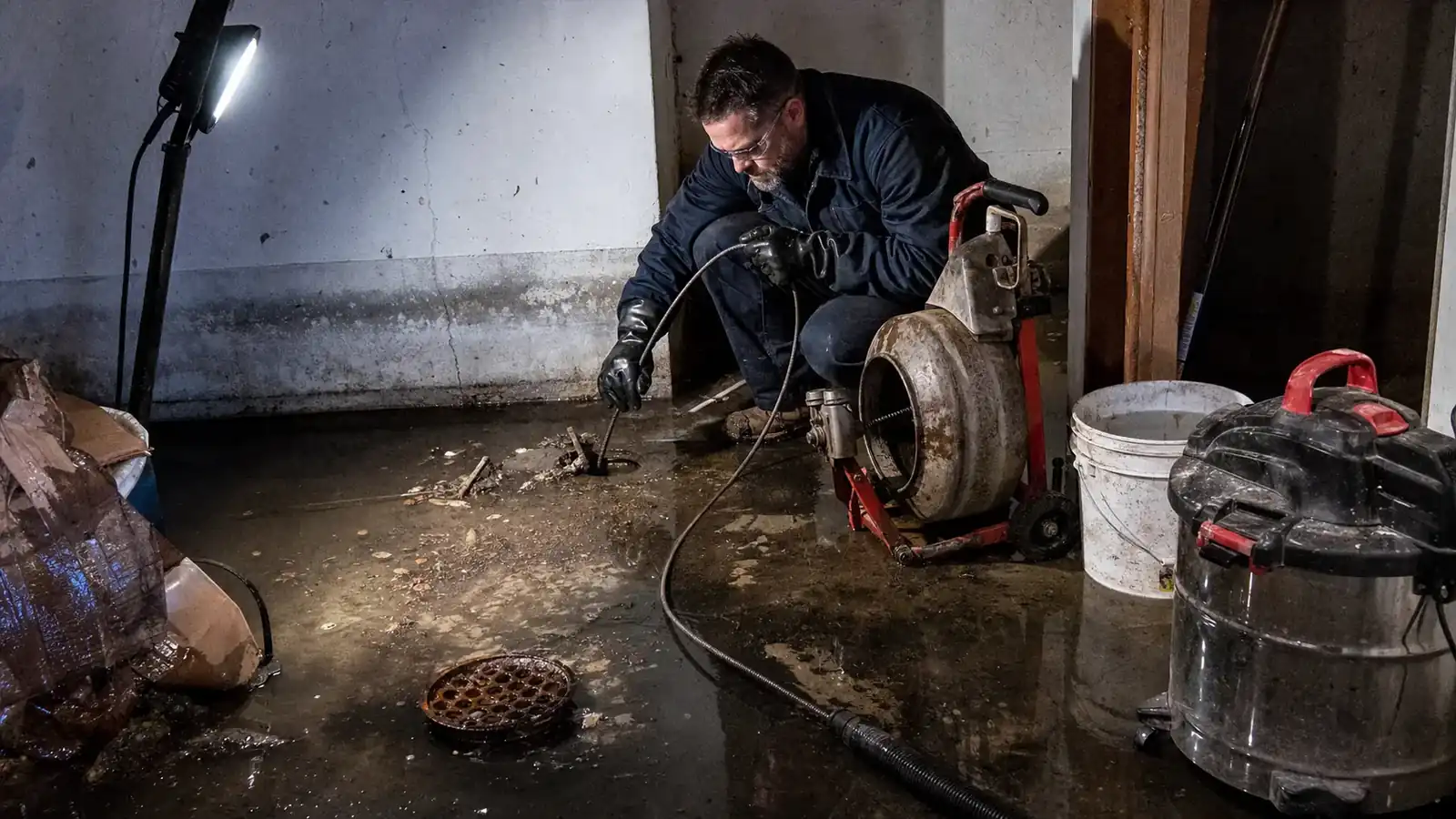
Emergency drain service in Denver
- Multi-fixture backups
- Sewage at floor drains
- Honest triage
Water backing up? Stop using every fixture in the house, keep people and pets away from standing wastewater, then call.
Call (720) 794-0974Active backup? Stop running water, then call. We will tell you what to do meanwhile.
Call (720) 794-0974Six things to do in the next two minutes
If water is backing up, what you do before anyone arrives matters more than how fast they get there. The list below is in order of how much difference it makes.
None of it requires tools, and none of it costs anything. The goal is to stop adding volume to a line that already cannot clear what is in it, and to keep people away from wastewater.
Emergency drain service at a glance
- Treat as urgent
- More than one fixture backing up, sewage at a floor drain, or overflow reaching finished space
- Usually not urgent
- One slow sink or shower that is still clearing. We will tell you honestly which one you have
- Availability
- Call and check what is available right now. We would rather tell you the truth than publish a promise
- After-hours pricing
- Ask on the call. Whatever the answer, you get the price before work starts
- Most common cause
- A restricted main sewer line, surfacing at the lowest opening in the house
What to do right now
Stop running water anywhere in the house
Every fixture drains into the same system. A dishwasher cycle or a running tap upstairs adds to whatever is already backing up downstairs.
Don't flush
Not even once to check. If the line is blocked, that water has to go somewhere and it will find the lowest opening.
Stop the washing machine if it's mid-cycle
A washer discharges a large volume quickly. It's a common trigger for a basement backup in a line that was already restricted.
Keep people and pets away from any standing wastewater
If sewage or standing wastewater is present, keep people and pets out of the area and avoid using nearby fixtures while you arrange assistance.
Don't pour anything down it
Chemical drain cleaner won't move a main-line blockage, and it makes the line hazardous for whoever opens it next.
Call and describe what's happening
Which fixtures, in what order, and whether there's standing water. That tells us a great deal before anyone is on site.
We don't give medical, health or insurance advice. If there's contamination in living space and you're unsure about health risk or a claim, speak to the appropriate professional as well as to us.
What counts as a drain emergency
Treat as urgent
- More than one fixture backing up at the same time
- Sewage or wastewater at a basement floor drain
- Water rising in one fixture when another runs
- Any overflow reaching finished living space
- A toilet that overflows and won't clear with a plunger, in a home with one bathroom
Usually not urgent
- One slow bathroom sink
- A single shower draining slowly
- A kitchen sink that's sluggish but still clearing
- A drain that gurgles but drains
That second list matters. A slow sink on a Saturday night is a Monday problem, and telling you so is more useful than booking an after-hours call you don't need. If it's on the second list and you're not sure, call and describe it. We'll tell you honestly which one it is.
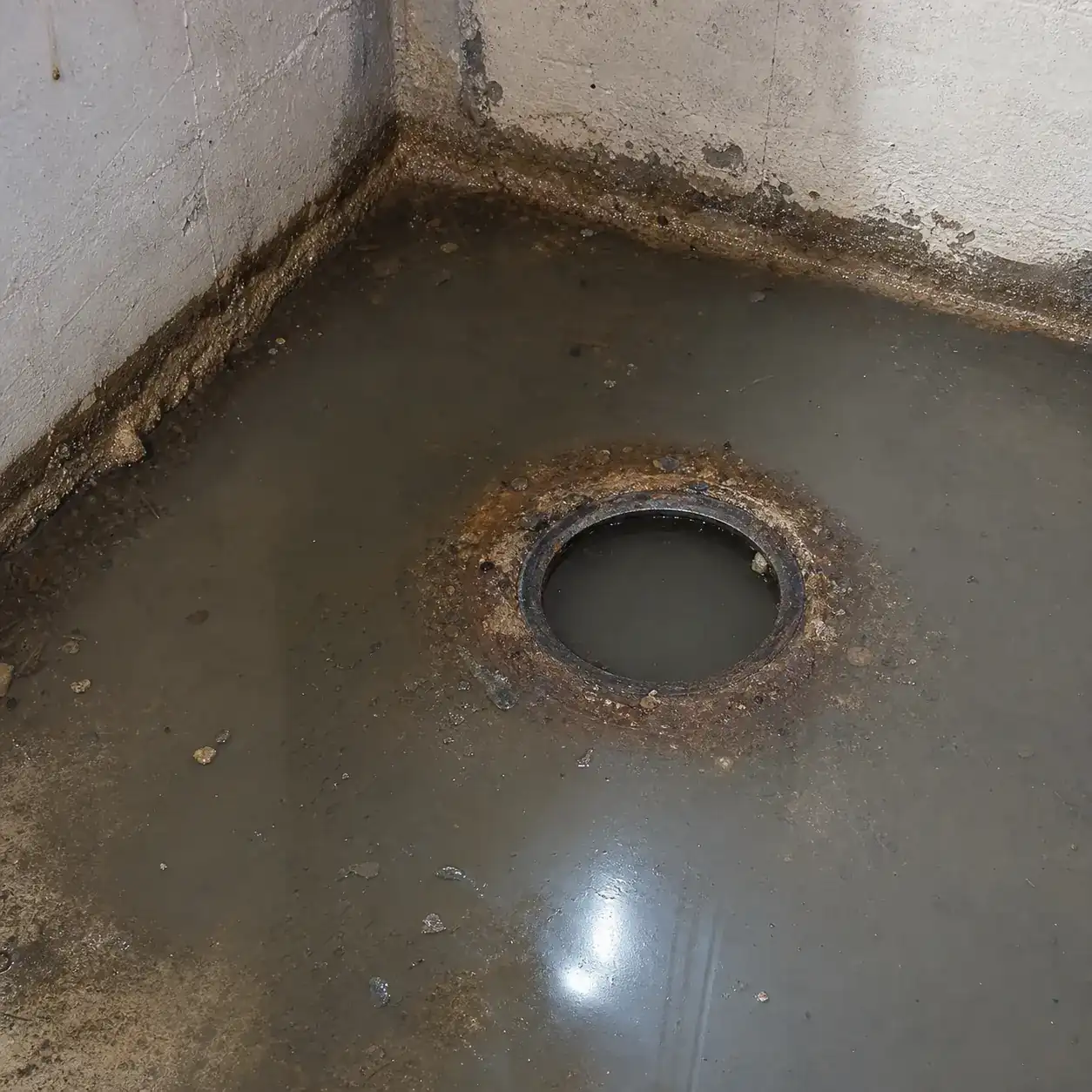
Basement floor drain backing up
The floor drain is normally the lowest opening in the system, which makes it the release point when something downstream is restricted.
So when a basement floor drain backs up, it's usually not a problem with the floor drain. It's the main sewer line telling you it can't take what the house is sending, and the floor drain is simply where the water surfaces first.
That's why it often appears alongside a washing machine cycle or a bath draining: a large volume arrives at once, the restricted line can't clear it fast enough, and it comes up at the lowest point.
Which means clearing the floor drain itself rarely fixes anything. The line beyond it is the job.
Is it my line or the City's?
Generally, the property owner is responsible for the sewer lateral, the pipe from the building to the connection at the public main, and the utility for the main itself. A useful early signal: if the problem is only at your property, it's most likely your lateral. If neighbours on the same block are having the same trouble at the same time, that points further downstream and is worth reporting to the utility.
Either way, a camera inspection settles it by showing where the restriction actually sits.
How we handle an urgent call
When you call, we'll ask which fixtures are affected, when it started, whether there's standing water, and roughly when the house was built. That usually tells us whether we're looking at a fixture, a branch line or the main sewer line before anyone leaves.
We'll tell you honestly what we can do and when. If we can't get to you quickly enough for what you're describing, we'll say that rather than let you wait, and where it's appropriate, we'll tell you what to do in the meantime.
An emergency is exactly when people worry about being taken advantage of. So the same rule applies: we look, we explain, we give you the price, and you approve it before work starts.
Call (720) 794-0974
Call about an active backup
If it is backing up right now, the phone is the only sensible option. We will tell you what to do while we sort out reaching you.
We look at the problem first, explain what is involved, and give you the price. Work only begins after you say yes. An emergency is exactly when people worry about being taken advantage of, so the rule does not change because it is late.
- Which fixtures are affected, and in what order
- Whether there is standing water or sewage
- What to stop using immediately
- The price before any work starts
Emergency drain questions
Do you offer 24/7 emergency drain service?
Call and check what's available right now. We'd rather tell you honestly what we can do today than publish an availability promise we can't keep on a particular night. If we can't reach you in time, we'll say so and tell you what to do meanwhile.
Do you charge extra for nights, weekends or holidays?
Ask when you call and we'll tell you before you commit to anything. Whatever the answer, you'll have the price before work starts. That doesn't change because it's late. Nobody should find out about an after-hours rate on the invoice.
My whole house is backing up. Is that my line or the City's?
If it's only your property, it's most likely your lateral. If neighbours on the same block have it simultaneously, that points downstream and is worth reporting to the utility. A camera inspection confirms where the restriction actually is.
Should I use a chemical drain cleaner while I wait?
No. It won't move a main-line blockage, and it doesn't drain away. It sits in the line, and anyone who then opens that pipe is opening one full of caustic liquid. If you've already used some, tell us when we arrive. See what liquid drain cleaners do to your pipes.
Why did it back up when I ran the washing machine?
A washer discharges a lot of water quickly. A line that's restricted but coping with normal use can't clear that volume fast enough, so it surfaces at the lowest opening, usually the basement floor drain. The washer didn't cause it; it revealed it.
You might actually need
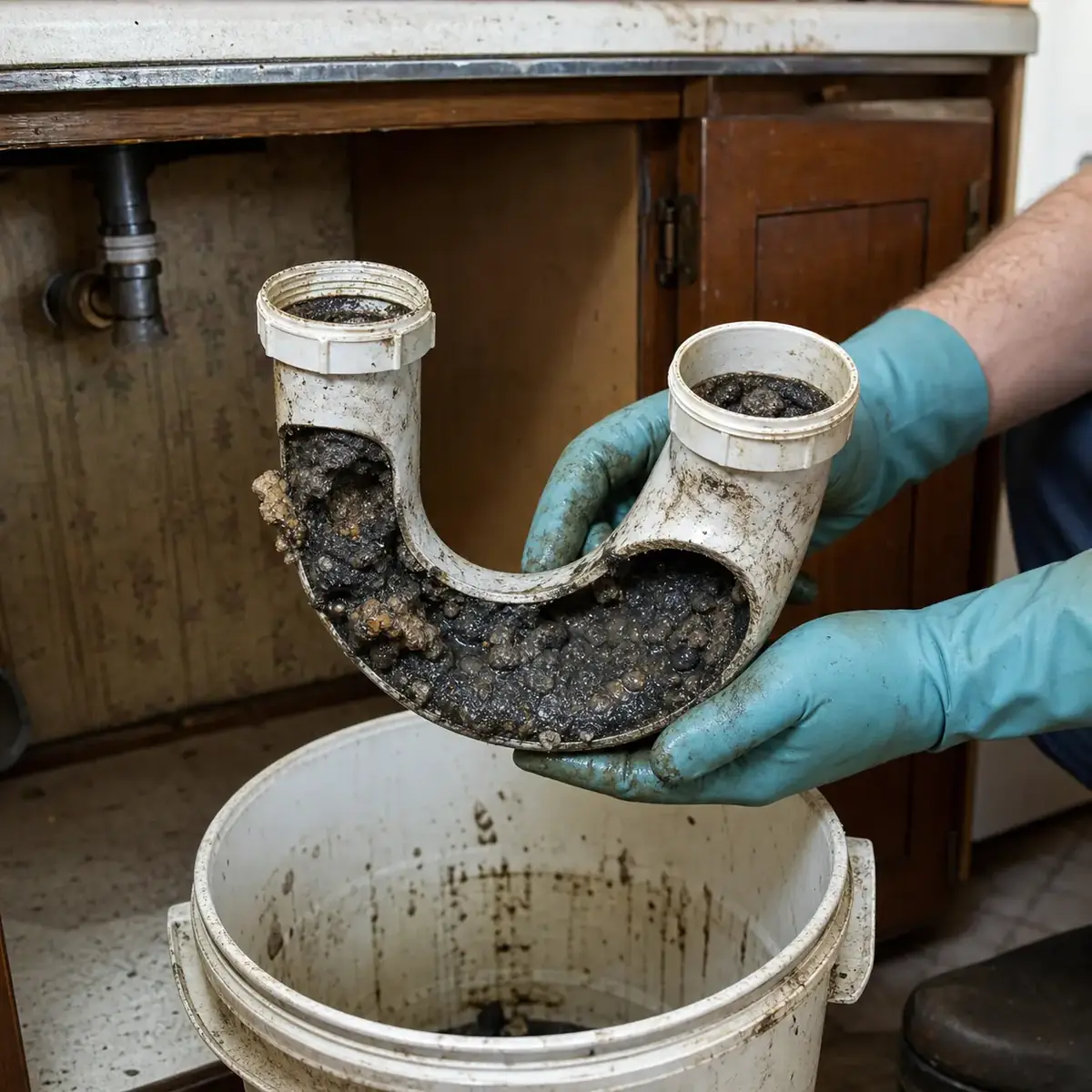
Clogged drain repair
For the single-fixture problems that turn out, on the phone, not to be emergencies at all.
See clogged drain repair →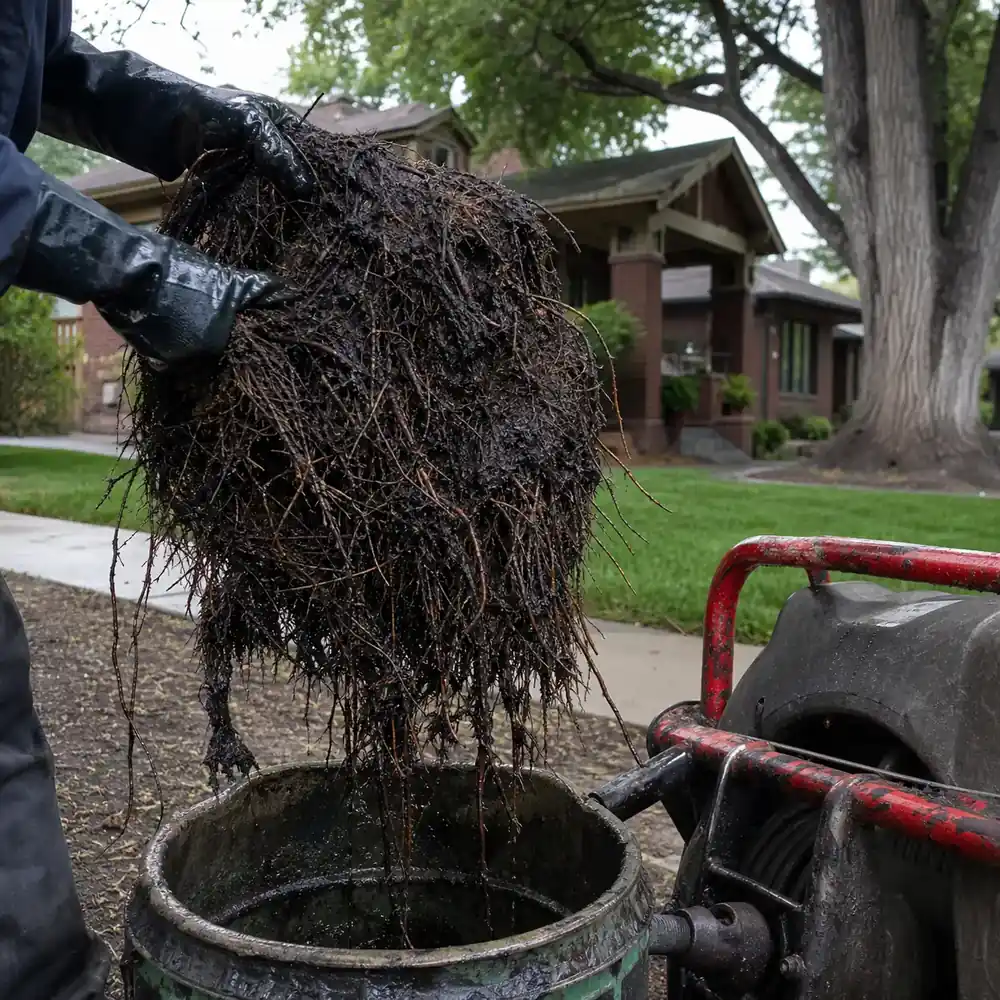
Rooter service
Most whole-house backups end up here: the main sewer line, and usually roots.
See rooter service →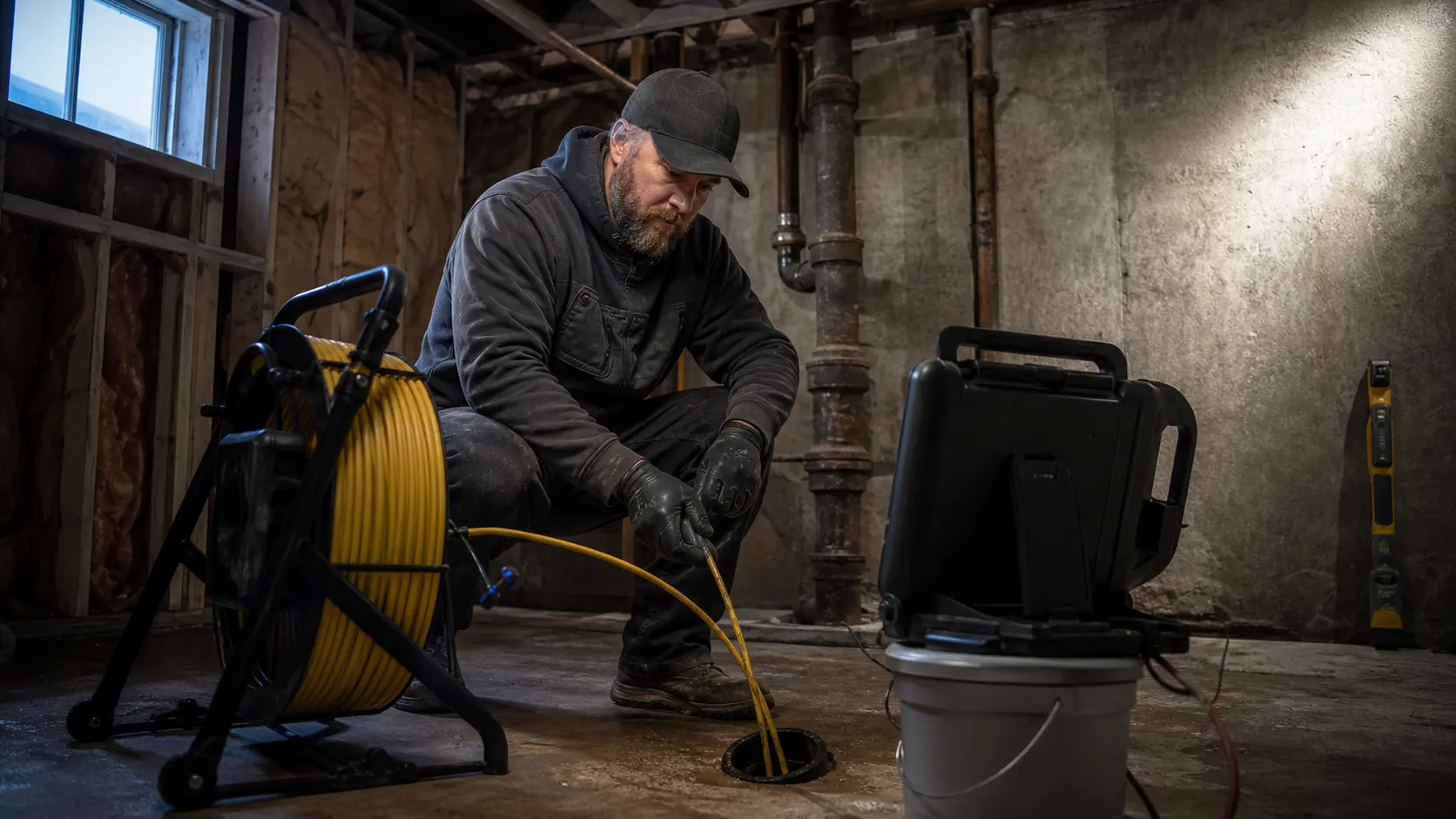
Sewer camera inspection
Finds where the restriction actually sits once the immediate backup is cleared.
See sewer camera inspection →Emergency drain response across the Denver metro
We respond to active backups in these areas. Call to check what is available right now.
Call now
For an active backup, calling is the only sensible option. Tell us which fixtures are affected and whether there is standing water, and we will tell you what to do while we sort out getting to you.
Call (720) 794-0974